
Hapuskan Tempat Pembiakan Nyamuk Aedes Sebelum Denggi Menyerang
September 2, 2026
Bahaya Tebuan Tanah: Kenali Sarang Sebelum Serangan Berlaku
September 21, 2026
Wasp Sting - Warning Signs You Should Never Ignore
Wasp Sting: Warning Signs You Should Never Ignore
A wasp sting can cause pain, swelling or serious allergic reactions. Learn the warning signs, health risks, treatment options and when to seek medical attention.
The Danger of Ignoring a Malaysia Wasp Sting
The Ultimate Danger Ignoring Wasp Sting
A wasp sting can happen without warning. One moment, you are gardening, walking near a building, eating outdoors or carrying out routine work. The next, you feel a sudden, sharp pain and for most people, a single sting causes temporary pain and swelling. However, a wasp sting should never be completely dismiss.
Some develop serious allergic reactions, while multiple stings can expose the body to a larger amount of wasp venom. If wasps repeatedly appear around your home or business, the sting may not be an isolated incident. There could be a nest nearby or conditions around the property that are supporting wasp activity. Understanding the symptoms, recognising an emergency and knowing when to investigate possible wasp infestation can help protect family, employees and customers.
The Symptoms and How Wasp Venom Affects the Body
What Happens When a Wasp Stings You?
Wasps generally sting as a defensive response, when feeling threats or as people get close to their nests. During a sting, venom is inject into the skin. The body's response to this venom produces many of the symptoms people associate with a wasp sting. These symptoms can vary considerably from person to person.
Some people develop only a small red area. Others experience more noticeable swelling that extends beyond the immediate sting location. A person's previous exposure and sensitivity to insect venom can also influence sting reactions. Common symptoms around the sting site include:
Sharp or burning pain
Redness
Swelling
Itching
Warmth around the skin
Tenderness
Immediate Steps Away From After Being Stung
Wasp Sting vs Bee Sting: What Is the Difference?
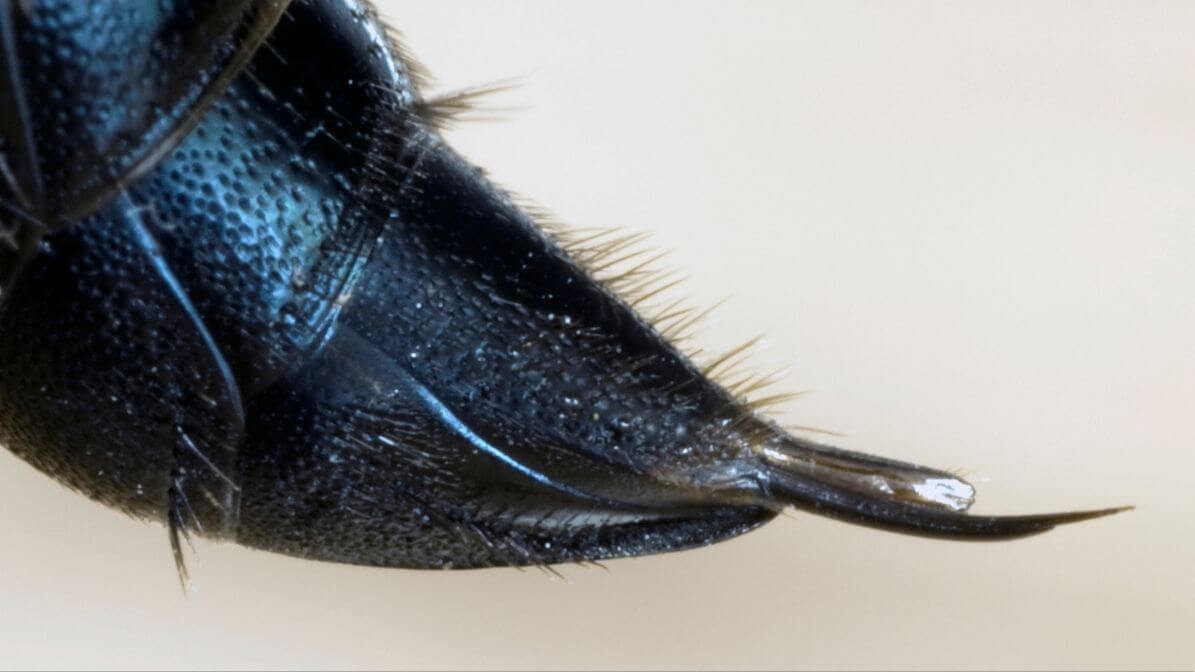
A bee sting and wasp sting may initially feel quite similar, but the insects do not always sting in the same way. A honeybee commonly leaves its barbed stinger embedded in the skin. Wasps generally do not leave their stingers behind. This means certain wasps are capable of stinging repeatedly.
If a flying insect stings you, do not waste valuable time trying to capture it for identification. Move away from the immediate area, especially if several wasps are present. Your first priority should be your safety and monitoring your symptoms.
The Common Wasp Sting Symptoms And Alarming Signs of an Allergic Reaction
What Are the Normal Symptoms of a Wasp Sting?
Most people experience a local reaction, immediate pain is usually follows by redness and swelling around the affected area. Itching can also develop, with a mild local reaction may improve over time with appropriate basic care. However, some people develop a larger local reaction. Swelling may extend well beyond the original sting site and can take longer to settle.
This does not automatically mean that the person is experiencing anaphylaxis. But worsening symptoms should still be monitor carefully. The most important question is whether symptoms remain localised or begin affecting other parts of the body.
When does Victim Seek For Medical Attention?
When Does a Wasp Sting Become Dangerous?
This is where recognising the difference between a normal local reaction and a serious allergic response becomes extremely important. People with sting allergies may react to insect venom differently. A severe systemic anaphylactic reaction can affect breathing and circulation and can become life threatening. These symptoms require urgent action.
Do not prolong medical care, seek emergency medical assistance immediately when severe symptoms or suspect anaphylaxis occur. If a person has a severe insect-venom allergy and has been prescribe an adrenaline auto-injector. They should follow their individual emergency action plan. Warning signs can include:
Difficulty breathing
Wheezing or shortness of breath
Swelling of the tongue or throat
Difficulty swallowing
Widespread hives
Dizziness
Sudden weakness
Fainting or collapse
Severe gastrointestinal symptoms
Signs associated with dangerously low blood pressure
The Immediate Steps To Take After Being Stung
What Should You Do After a Wasp Sting?
If you recently get sting, your first action should be to move away from the wasp. This becomes particularly important when the sting happens close to wasp nests. Other wasps may be nearby, and disturbing the area further can increase the chance of additional stings. Once you are somewhere safe, assess the affected area.
A normal wasp sting usually causes immediate pain, redness and swelling around the sting site. Seek emergency medical help immediately if the person develops breathing difficulty. Signs of swelling in the tongue or throat, dizziness, collapse or other symptoms of a severe allergic reaction.


1. Check the Sting Site
Wasps do not leave a stinger behind but nevertheless, inspect the skin. If a stinger is present, remove it promptly and carefully.
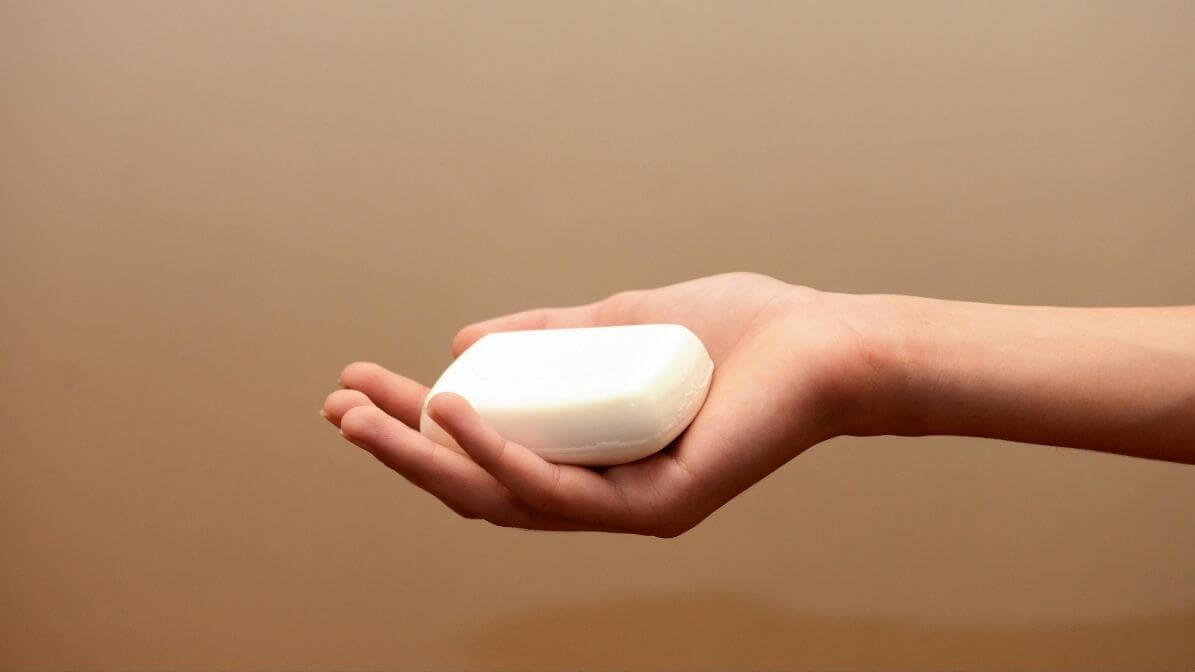
2. Wash the Area
Clean the affected skin gently with soap and water.
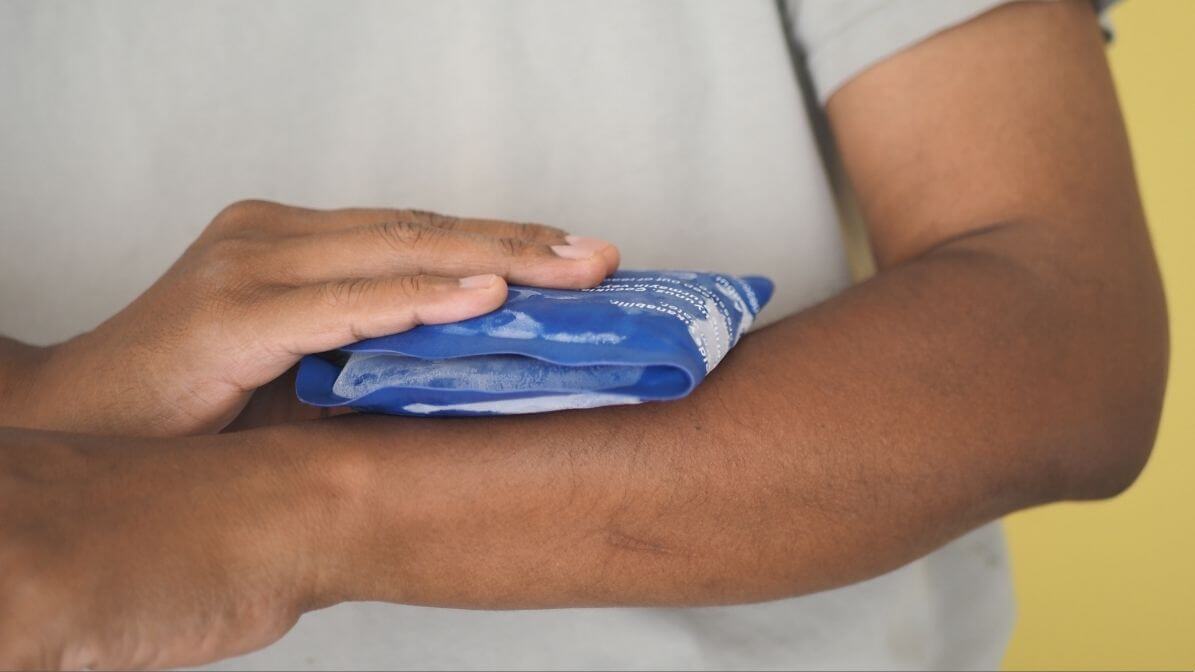
3. Apply a Cold Compress
A cold pack wrapped in cloth can help with discomfort and swelling. Avoid applying ice directly to the skin.
4. Monitor Your Symptoms
This is one of the most important steps. Do not monitor only the visible mark. Pay attention to breathing, dizziness, swelling elsewhere on the body and your general condition.
5. Ask About Appropriate Treatment
Depending on the symptoms and the person's circumstances, doctor or pharmacist may recommend appropriate treatment for discomfort or itching. Products such as antihistamines or hydrocortisone cream may sometimes be recommend for certain local reactions. However, topical creams and antihistamines are not substitutes for emergency treatment for anaphylaxis.
When Are Emergency Medical Treatment Require?
When Should You Seek Medical Attention?
Get immediate medical attention when there are symptoms suggesting a severe allergic reaction. Breathing problems, throat or tongue swelling, collapse or rapidly worsening systemic reaction should always be treat seriously. Multiple stings also deserve additional caution. A person attacked by numerous wasps can receive a much greater venom exposure than someone with a single sting.
Medical assessment may therefore be appropriate even when classic allergy symptoms are not immediately obvious. Stings involving sensitive areas like the mouth or throat require particular attention because swelling can potentially interfere with breathing. When in doubt about serious symptoms, seek qualified medical advice rather than relying on online information.
Understanding Venom Immunotherapy, Wasp Sting Allergies and Anaphylactic Reactions
What About People With Wasp Sting Allergies?
Anyone who previously experience serious allergic reactions following an insect sting should discuss their risk with a healthcare professional. An allergy specialist can assess the person's history and recommend an appropriate management plan. For selected people with confirmed insect-venom allergy, specialists may consider venom immunotherapy, a medical treatment carried out under professional supervision.
It should not be confuse with normal pest management or first aid. The important point is simple, If you know you have a serious sting allergy, prepare before another sting happens.
Why Was The Wasp There In The First Place?
Why Are Wasps Coming to Your Property?
One wasp does not automatically indicate an infestation. Wasps naturally travel in search of food and suitable environments. However, certain conditions around a property may encourage activity. Some wasps hunt other insects as food source.
While others are attract to sugary materials depending on species and life-cycle requirements. Good housekeeping can therefore help reduce attractive conditions. Restaurants, cafés, hotels and other F&B businesses should pay particular attention to food and waste management. Potential factors that attracts wasps include:
Exposed food
Sweet drinks
Open rubbish bins
Food waste
Fallen or overripe fruit
Outdoor dining areas
Organic waste
Suitable nesting locations
Did You Know That Wasps Can Sting More Than Once?
Unlike honeybees, many wasps do not leave their stinger behind after stinging, allowing them to deliver repeated stings.
Hidden Wasp Nests in Wall Voids and Roof Spaces in Malaysia
Where Can Wasps Build Nests?
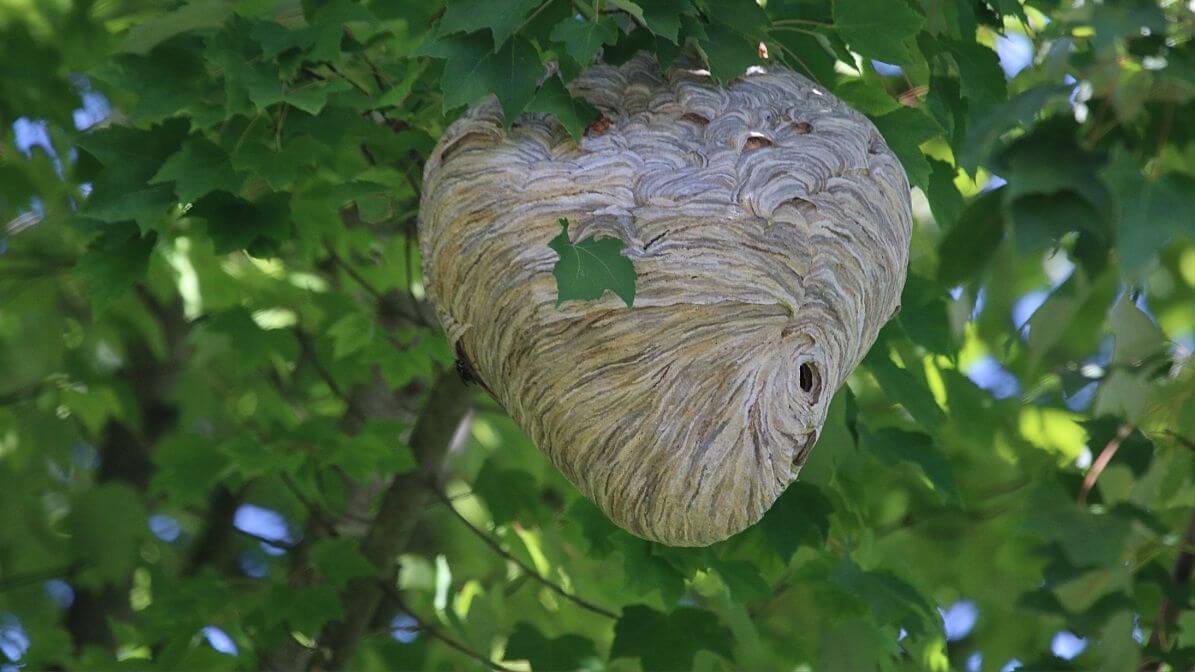
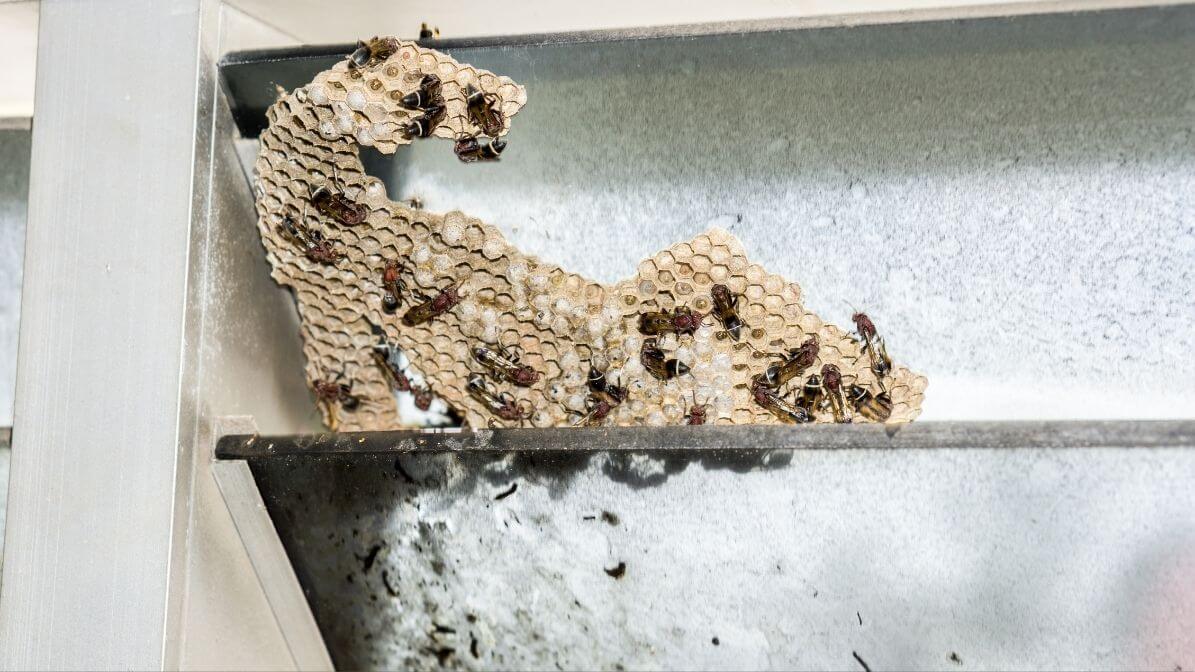
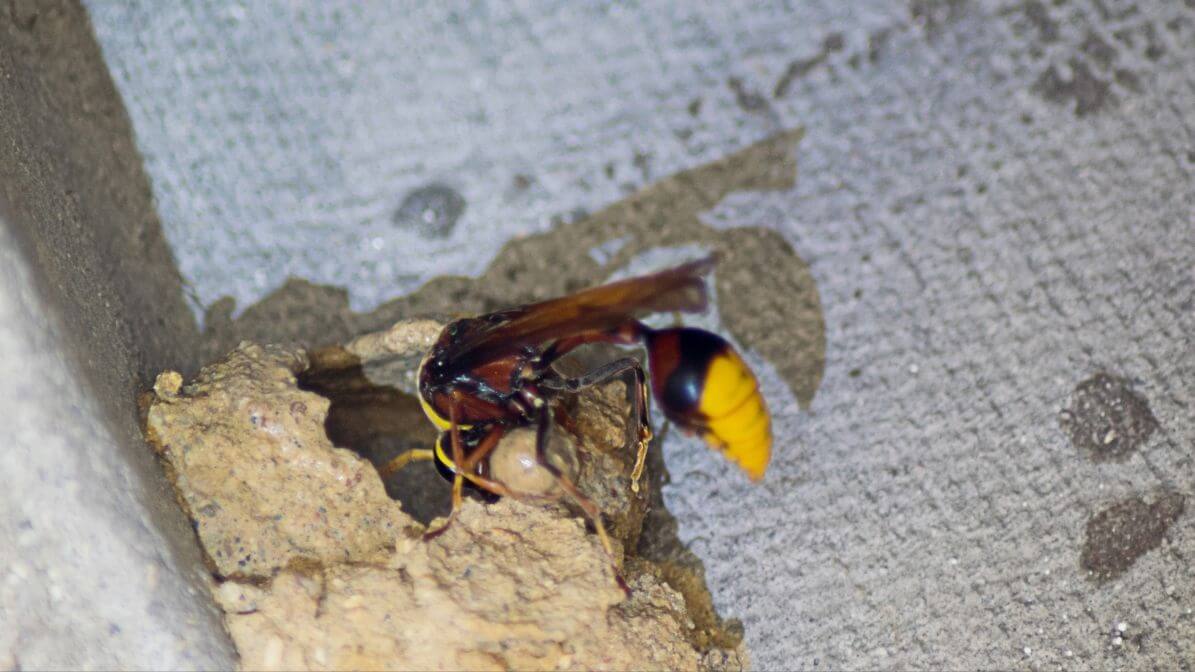
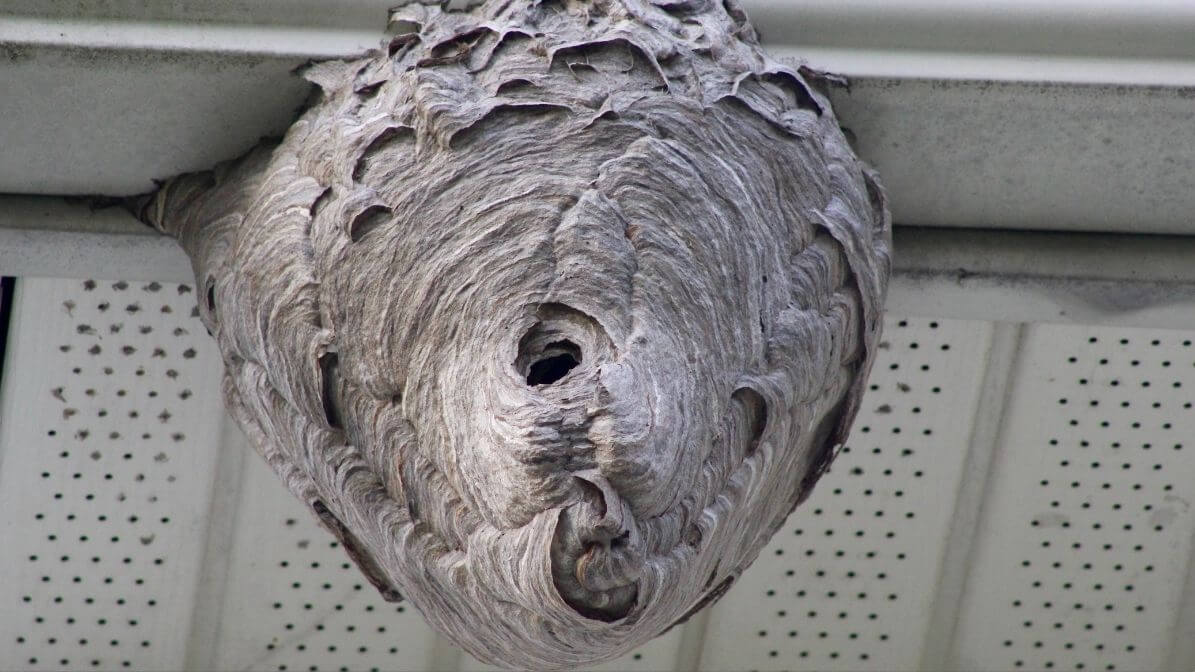
Wasps look for locations that offer suitable shelter. Depending on the species and environment, they may build nests around trees, roof structures and other protected areas. A concealed nest can be particularly difficult for a property owner to identify. You may see wasps repeatedly entering a small opening without being able to see the nest itself.
Do not push objects into the opening to investigate. More importantly, do not automatically seal an opening when active wasp movement is present. A professional inspection can help determine what is happening before corrective measures are in place. Potential nesting locations around buildings can include:
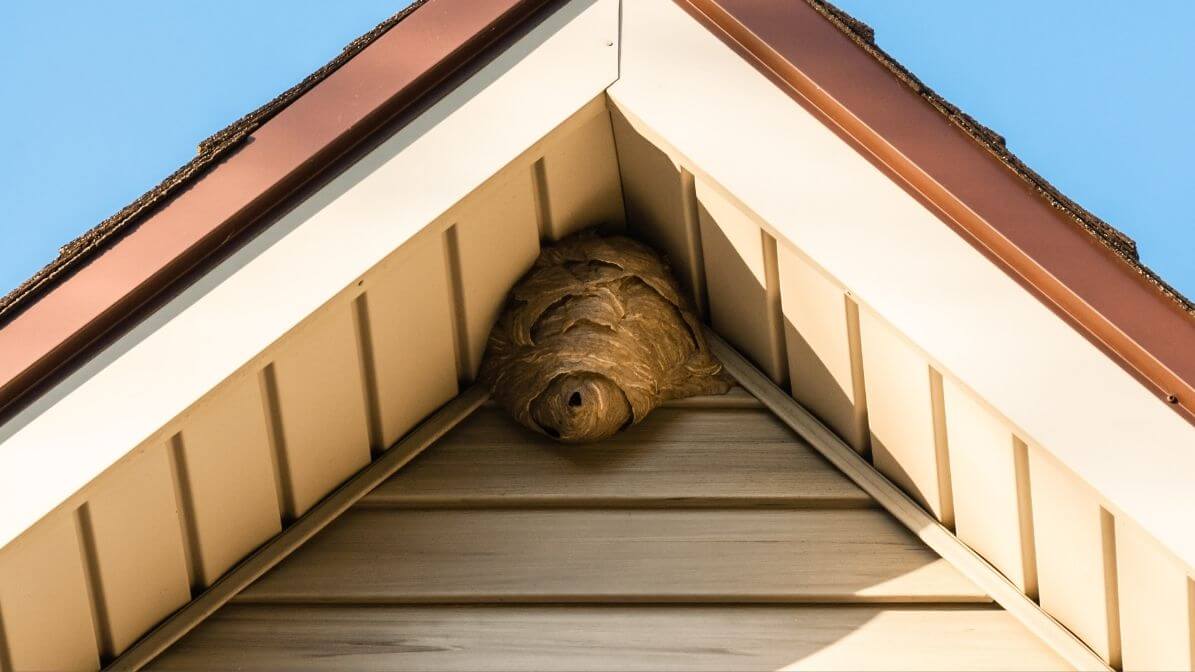
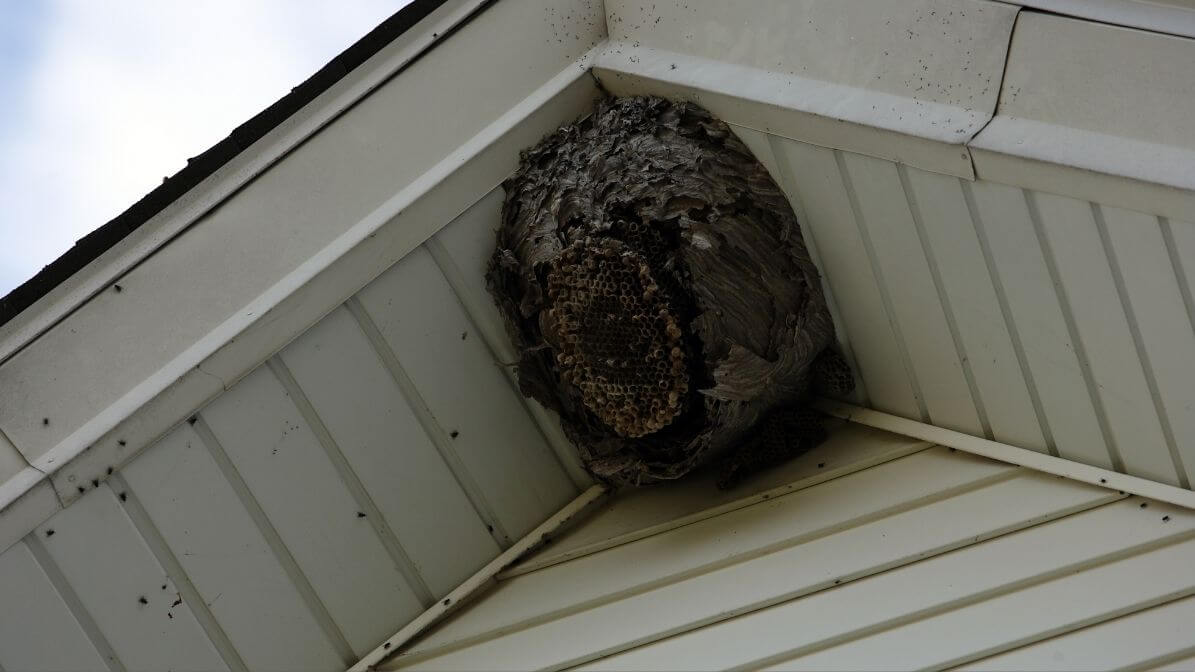
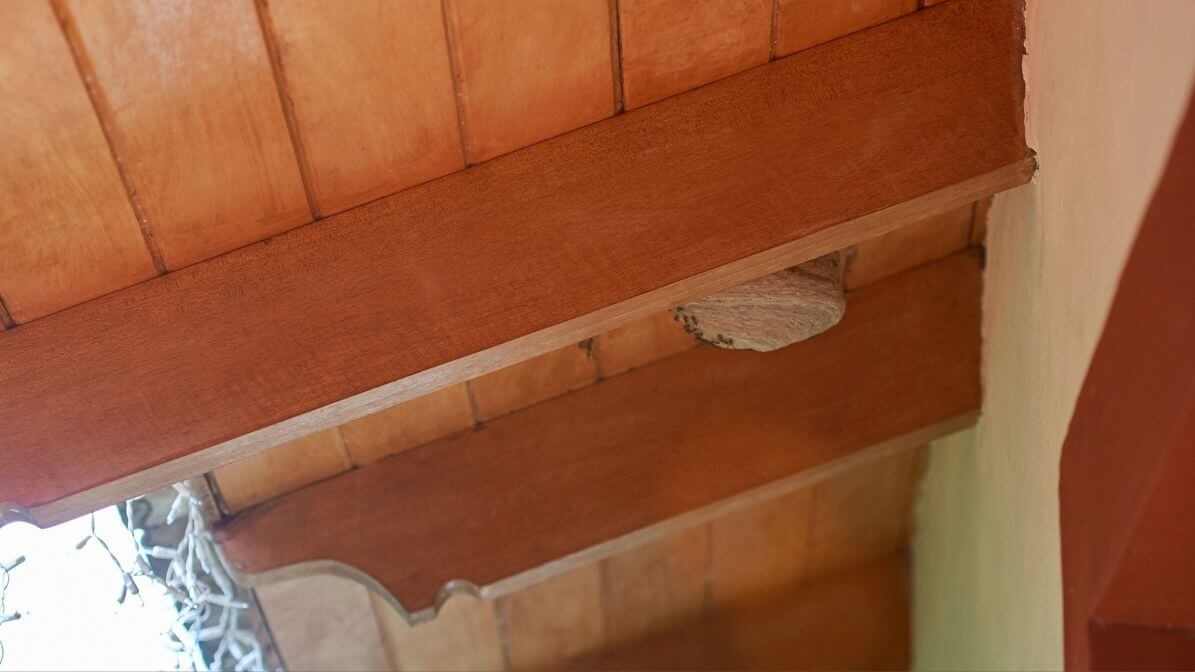
Roof eaves
Ceiling or roof spaces
Sheds
Trees and shrubs
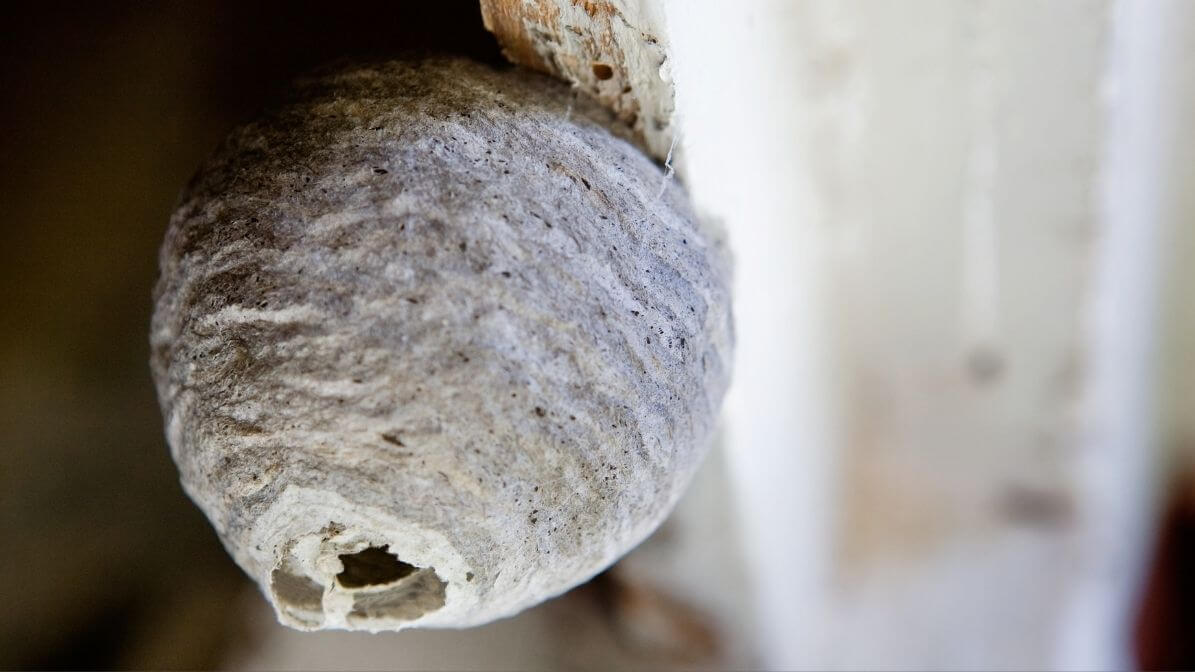
Building overhangs
Ventilation areas
Structural gaps
Wall voids
Signs of a Wasp Infestation Around Your Property
Does Seeing Wasps Mean You Have a Wasp Infestation?
Not necessarily. An individual wasp passing through a garden is different from repeated activity around one specific part of a building. Repeated movement towards one opening deserves particular attention. Instead of concentrating only on killing individual insects, investigate where they are coming from.
Potential warning signs of a wasp infestation include:
Increasing numbers of wasps
A visible nest
Repeated flights to one location
Wasps entering the same wall or roof opening
Frequent indoor sightings
Concentrated activity around a particular area
Buzzing from a concealed building space
Defensive activity close to a suspected nest
The Repeated Wasp Activity Around One Location
Why You Should Never Disturb a Wasp Nest?
Finding a nest often leads to one immediate thought, “Can I remove it myself?” This can be dangerous wasps may defend their colony when the nest is disturb. Spraying, hitting, shaking or attempting to knock down an active nest can provoke defensive activity. This creates a risk of multiple stings.
Keep people and pets away from a suspected active nest. Our professional pest control is particularly important when the nest is conceal. Difficult to access or located in an area where people regularly pass. The danger increases when the nest is close to frequently used areas such as:
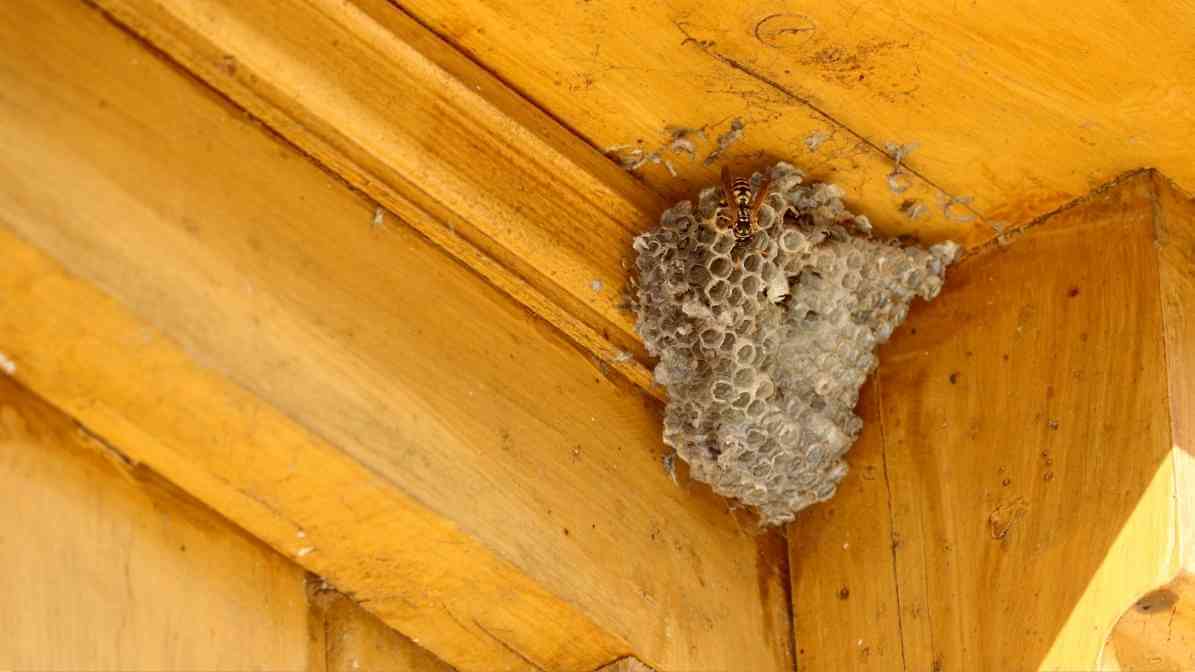



Doorways
Walkways
Balconies
Gardens




Play areas
Restaurant seating
Offices
Customer entrances
Inspect Your Malaysia Property for Wasp Activity
Why Businesses Should Take Wasp Activity Seriously?
A wasp problem at home is concerning. At a commercial property, it can also become a customer and workplace safety issue, considering restaurant with outdoor seating. Customers are eating when wasps repeatedly approach their tables. Staff chase individual insects away, but nobody investigates where they are coming from.
If a nest is nearby, removing individual wasps does not address the source. The same principle applies to hotels, offices, schools, warehouses, factories and other commercial properties. Repeat wasp sightings should be investigate before someone gets badly stung. Early detection can help identify potential nesting locations and environmental factors contributing to the activity.
How to Reduce the Risk of Wasp Stings?
How Can You Reduce Wasp Activity Around Your Property?
Prevention starts by reducing conditions that make your property attractive.
Keep Rubbish Bins Closed
Use bins with secure lids and remove food waste regularly.
Clean Food Spills Quickly
Pay particular attention to sugary drinks and food residues around outdoor areas.
Remove Fallen Fruit
Overripe and fallen fruit should not be allowed to accumulate around gardens.
Inspect the Exterior
Look for unusual insect activity around rooflines, eaves, vents and structural openings.
Observe Flight Patterns
Repeated flights towards one location can provide an important clue. Do not approach closely if you suspect a nest.
Arrange Professional Inspection
When activity continues, professional inspection can help identify the source and determine whether pest management is necessary.
Professional Wasp Pest Control in Malaysia
Innovative Pest Blog Summary
Managing a potential wasp problem involves more than treating the insects you can see. At Innovative Pest Management, our approach begins with understanding the source of the activity. The correct approach depends on the location, level of activity and characteristics of the property. For businesses, professional inspection can also form part of a broader preventive pest-management programme.
A professional inspection can help assess areas of wasp activity, potential nesting locations, possible entry points and environmental conditions. As well as food and waste sources, risks around the property and appropriate pest management options
Why Clients Choose Us
✔ Years of Experience in Malaysia & Singapore
Our dual-market presence strengthens our capabilities and enhances our understanding of pest patterns across climates.
✔ Proven Results Across a Wide Range of Cases
From minor infestations to complex structural infestations, our case studies showcase our technical accuracy and problem-solving skills.
✔ Eco Friendly Commitment
We prioritise materials and treatments that reduce environmental impact while maintaining maximum effectiveness.
✔ Professional Guidance on Pest Identification
Our specialists guide customers on identifying early warning signs. Especially for termites, bed bugs and rodents, ensuring quick and accurate response.
✔ Clear Communication and Honest Reporting
Every treatment comes with documentation, service reports and preventive recommendations.
✔ Long-Term Protection Strategies
Our focus is not only to fix pest issues today, but to protect your space for the future.