
Important Guidelines to Bedbug Pest Control in Malaysia
April 24, 2025
What You Need to Know About Bee Sting Treatment?
April 29, 2025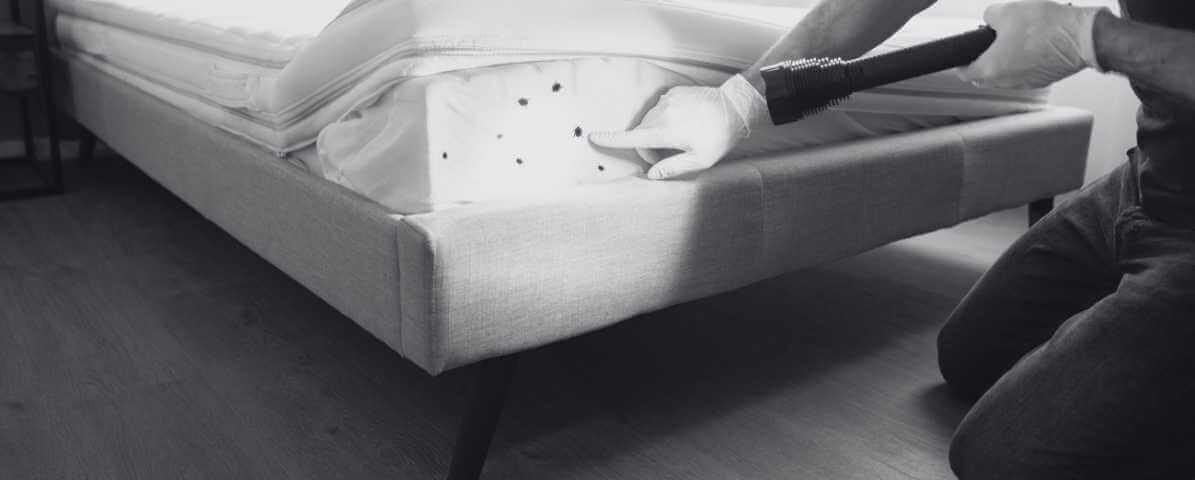
Preparation Guide for Effective Bed Bug Treatment
Prepare for bed bug treatment with practical guidance on handling infested items, laundry, inspection access and follow-up care. Learn how preparation differs between treatment methods and which instructions to confirm with your pest control provider.
Why Preparation Matters Before Bed Bug Treatment?
Preparing your home or business for bed bug treatment helps make infested areas accessible for inspection and treatment. It also helps reduce the risk of spreading bed bugs when handling bedding, clothing and other infested items.
This guide explains how to prepare for bed bug pest control, including managing clutter, handling laundry and making bed frames and other hiding places accessible. Preparation requirements vary between methods, so follow your pest control provider’s instructions before starting any bed bug control treatment, particularly bed bug heat treatment.
Understanding Bed Bugs and The Common Signs of Infestation
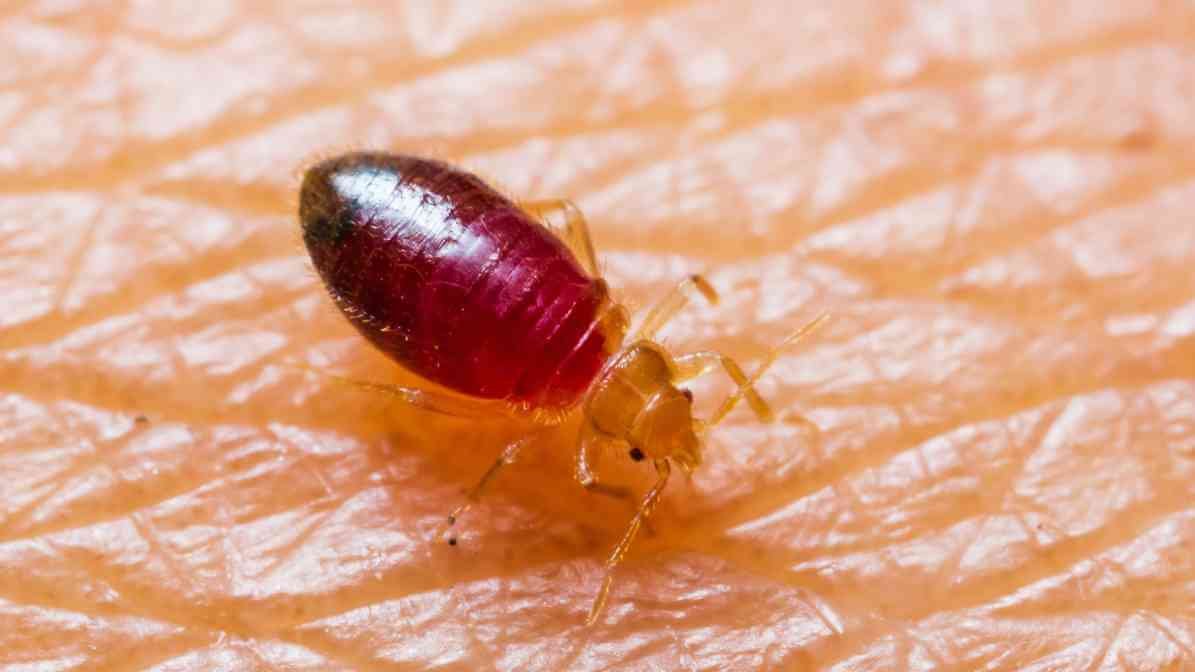
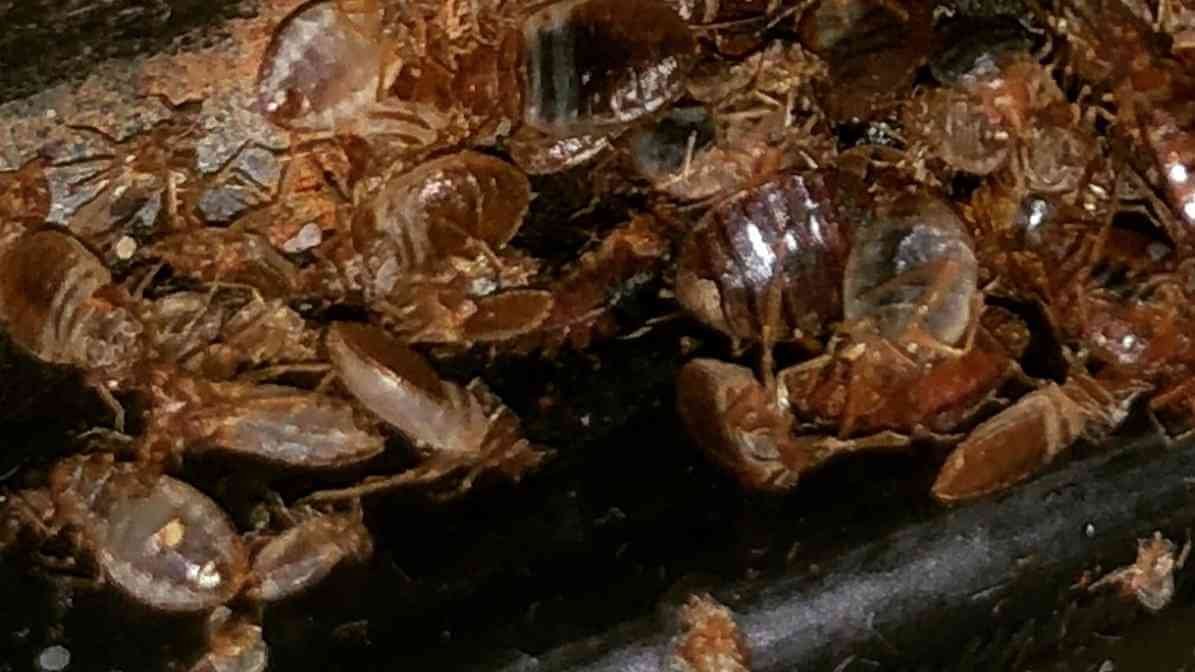
Confirming a bed bug infestation helps guide appropriate bed bug treatment. Adult bed bugs are small, flat, oval-shaped and reddish-brown. A female bed bug lays eggs in sheltered locations, so an inspection should look for different life stages as well as other evidence.
Bedbug Bites
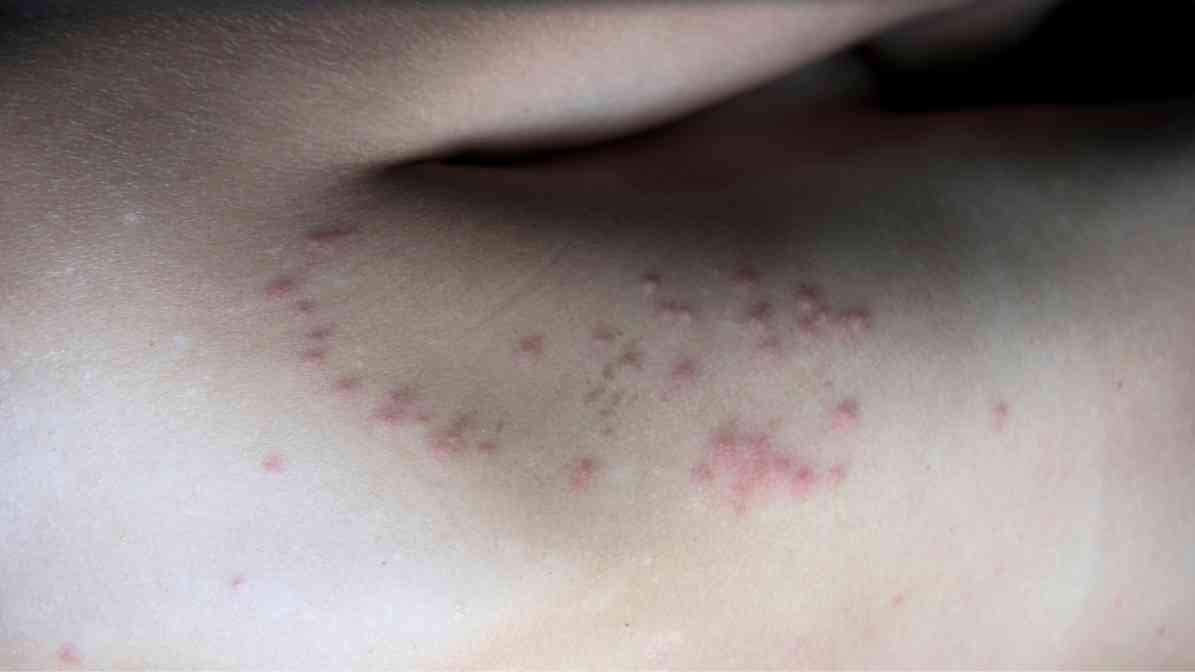
Bedbug bites may cause itchy marks, sometimes appearing in clusters or lines. However, bite marks alone cannot confirm an infestation because other insects and skin conditions can cause similar reactions.
Visible Bed Bugs
Look for live insects around mattress seams, box springs, bed frames and furniture joints. Avoid moving potentially infested items into unaffected areas.
Faecal Stains
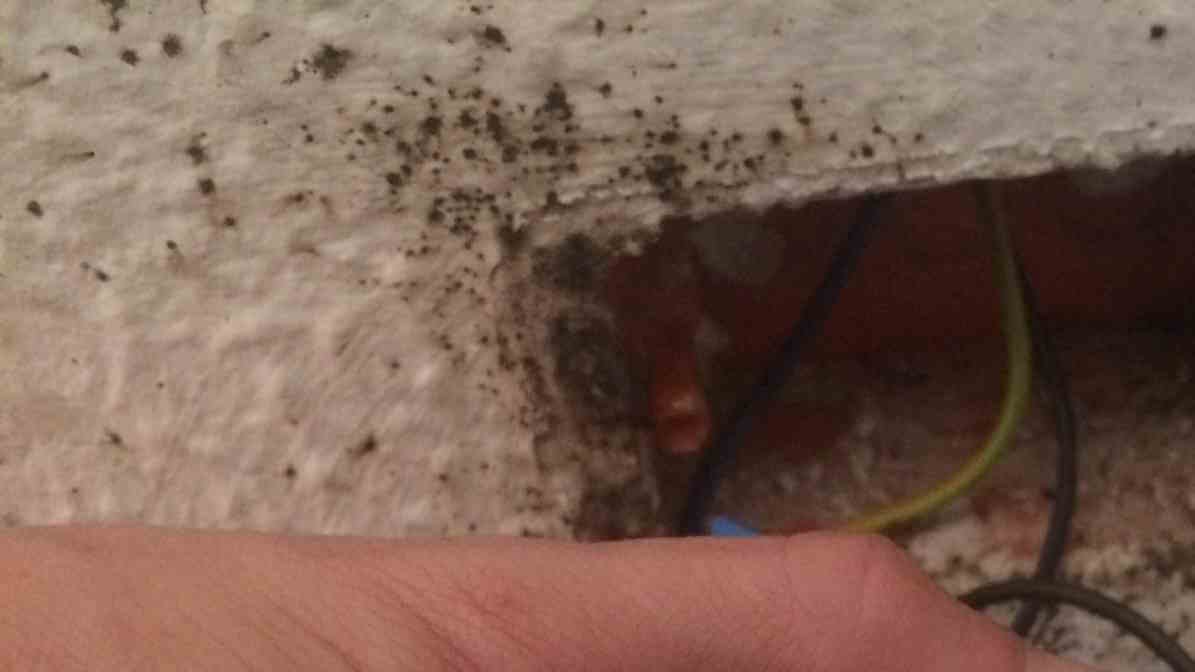
Small dark spots on bedding, mattress seams or nearby surfaces may be bed bug faecal marks. Have suspected signs assessed alongside other evidence.
Shed Skins and Eggs
Shed skins, small pale eggs and empty eggshells may be found near hiding places. Photograph suspected evidence and share it with your pest control provider to help with identification.
Preparation for Bed Bug Treatment
Before bed bug control treatment begins, confirm the preparation requirements with your pest control provider. Use the following checklist alongside their instructions, as the steps may differ depending on the treatment method and affected areas.
1. Declutter and Identify Infested Areas
-
Reduce Clutter Carefully: Follow your provider’s instructions when sorting belongings. Do not move loose infested items into unaffected rooms, as this can spread the infestation.
-
Contain Items Before Moving Them: Place items requiring treatment or disposal in sealed bags. Do not discard furniture automatically; ask whether it can be treated.
-
Identify Potential Hiding Places: Note signs of bed bugs around mattress seams, box springs, bed frames, furniture joints, and cracks and crevices. Share these findings with your pest control provider.
2. Launder Affected Bedding and Clothing
-
Contain Items Before Moving Them: Place affected bedding and clothing in a sealed plastic bag before carrying them to the laundry area. Keep untreated items separate from clean items.
-
Use High Heat Where Suitable: For items that can tolerate it, use a tumble dryer on high heat for 30 minutes, following fabric-care instructions and your provider’s preparation guidance. Washing alone may not eliminate all bed bugs and eggs.
-
Protect Clean Items: Place treated, dry items in a new, clean plastic bag or sealed container. Keep them sealed until your pest control provider advises where and when to unpack them.
3. Vacuum Thoroughly
-
Vacuum Accessible Areas: If advised by your provider, vacuum mattress seams, bed frames, carpets, skirting boards and furniture joints. Vacuuming can remove some bed bugs and eggs but does not replace a complete bed bug control treatment.
-
Contain Vacuum Waste: Immediately seal the vacuum bag in a plastic bag and place it in an outside rubbish bin. For bagless models, empty the contents into a sealable bag and clean the collection container according to the manufacturer’s instructions.
-
Follow Treatment Timing Instructions: Ask when vacuuming should stop before treatment and when it can resume afterward, particularly around treated surfaces.
4. Inspect Furniture and Follow Preparation Instructions
-
Check Hiding Places: Inspect accessible mattress seams, bed frames, box springs, and cracks and crevices for signs of bed bugs. Avoid moving infested furniture into unaffected rooms.
-
Follow Your Provider’s Instructions: Ask your pest control provider before applying sprays, powders or diatomaceous earth. Do not use food-grade or pool-grade diatomaceous earth for bed bug control. Preparation should follow the requirements of your planned treatment.
Types of Bed Bug Treatment Methods
Once pre-treatment preparations are complete, it's important to choose an effective approach. Various bed bug control treatment methods exist, each with its own benefits:
Bed Bug Heat Treatment
Bed bug heat treatment uses specialist equipment to raise and maintain temperatures lethal to bed bugs and their eggs. Successful treatment depends on reaching the required temperature throughout the treated items and hiding places for sufficient time.
Professional bed bug heat treatments require temperature monitoring, including areas that heat up more slowly. The treatment duration depends on the equipment, room layout, contents and extent of the bed bug infestation. A single room-temperature reading does not confirm that all hiding places have been treated.
Follow the provider’s preparation instructions, including which heat-sensitive items must be removed. Do not attempt whole-room heat treatment using household heaters or by turning up the thermostat.
Chemical Treatments
Chemical bed bug control treatment involves applying suitable products to permitted surfaces and hiding places according to label instructions. Treatment selection depends on inspection findings, the areas affected and the suitability of each product.
Your pest control provider should explain preparation requirements, when people and pets can return, and which treated surfaces should remain undisturbed. Do not apply additional sprays or powders unless advised, as they may interfere with the treatment programme.
Integrated Pest Management (IPM)
Integrated pest management combines inspection, monitoring and appropriate physical or chemical methods. Depending on the situation, bed bug pest control may include vacuuming, laundry measures, encasements, targeted products or professional heat treatment.
The aim is to address the infestation through coordinated measures rather than relying on a single application. Follow-up inspections help assess progress and determine whether further bed bug control is needed.
How a Bed Bug Infestation Can Affect Wellbeing
A bed bug infestation can disrupt sleep and contribute to anxiety and stress. Uncertainty about where bed bugs are hiding or whether treatment has worked can make the experience particularly distressing. Bedbug bites may also cause itching and, in some people, allergic reactions. These physical reactions result from bites, rather than fear of bed bugs. A clear treatment plan and follow-up advice can help property owners understand the next steps.
After Bed Bug Treatment: Follow-Up and Prevention
After bed bug treatment, follow your provider’s instructions on room access, cleaning and handling belongings. Monitoring helps assess treatment progress; the absence of bites alone does not confirm that the infestation has been eliminated.
1. Attend Follow-Up Inspections
Keep any scheduled inspections and report live bed bugs or other suspected activity. Your provider can assess whether further treatment is needed.
2. Follow the Cleaning Schedule
Ask when vacuuming, laundering and cleaning treated surfaces can resume. Avoid disturbing treatment residues before your provider advises it is appropriate.
3. Use Suitable Mattress Encasements
Where recommended, use bed bug-proof encasements designed for mattresses and box springs. Check that they fit securely and remain intact. Encasements support bed bug control but do not replace treatment elsewhere in the room.
4. Monitor for Further Activity
Where suitable, place bed bug interceptors under bed legs according to product instructions. Check them regularly and share findings with your provider. Continue inspecting luggage and second-hand furniture to reduce the risk of introducing bed bugs again.
5. Follow Post-Treatment Instructions.
Follow your provider’s instructions on cleaning, room access and follow-up inspections. Do not add diatomaceous earth or other pest control products unless specifically advised. Ask which treated areas should remain undisturbed and when normal cleaning can resume.
Plan Your Next Steps for Bed Bug Treatment
Getting rid of bed bugs requires appropriate treatment, careful preparation and follow-up. Contain infested items before moving them, follow laundry guidance and make inspection areas accessible without spreading the infestation.
Whether your plan includes bed bug heat treatment, targeted products or a combination of methods, follow the instructions provided for your property. Continue monitoring and report suspected activity so your provider can assess progress.
For help with a bed bug infestation in your home or business, contact Innovative Pest Management to discuss an inspection and suitable bed bug pest control options.
Why Clients Choose Us
✔ Years of Experience in Malaysia & Singapore
Our dual-market presence strengthens our capabilities and enhances our understanding of pest patterns across climates.
✔ Proven Results Across a Wide Range of Cases
From minor infestations to complex structural infestations, our case studies showcase our technical accuracy and problem-solving skills.
✔ Eco Friendly Commitment
We prioritise materials and treatments that reduce environmental impact while maintaining maximum effectiveness.
✔ Professional Guidance on Pest Identification
Our specialists guide customers on identifying early warning signs. Especially for termites, bed bugs and rodents, ensuring quick and accurate response.
✔ Clear Communication and Honest Reporting
Every treatment comes with documentation, service reports and preventive recommendations.
✔ Long-Term Protection Strategies
Our focus is not only to fix pest issues today, but to protect your space for the future.