What Do Bed Bugs Look Like? Complete Bed Bugs Size
January 23, 2026
Bee Farm Insights, The Bees and Honey Growth
February 13, 2026
Definitive Guide to Types of Bees in Malaysia Must-Know
Definitive Guide to Types of Bees in Malaysia Must-Know
Explore common types of bees in Malaysia, nesting habits and safety tips. Speak to experts for ethical and effective bee management.
Why Bee Population Health Matters in Malaysia
Definitive Guide to Types of Bees in Malaysia Must-Know
Bees play a critical role in Malaysia’s ecosystems, agriculture and urban environments. As an Innovative Pest Management specialist with pest biology expertise. We understand not only how bees live, but also how to protect people, properties and pollinators responsibly. Innovative experts guide to explore the types of bees in Malaysia.
Their behaviours, nesting habits and how professional management supports both safety and conservation. Our pest blog is design to educate and help you make inform decisions when bees become a concern.
Understanding the Role of Bees in Malaysia’s Ecosystem
Understanding Bees in Malaysia’s Ecosystem
Malaysia’s tropical climate supports a diverse bee population, ranging from social honey bees to highly independent solitary species. Bees are essential pollinators, contributing to food security, biodiversity and forest regeneration. However, when bee nests appear near homes, offices or industrial areas, expert intervention becomes necessary.
Not all bee species behave the same. Understanding the types of bees helps determine whether coexistence, relocation or professional control is the best solution.
Differences Between Worker Bee, Queen Bee and Male Bee
Social Bees vs Solitary Bees
If you or someone becomes a victim of a sting from a bee, staying calm is essential. Stress and anxiety can exacerbate the body’s response and increase pain perception. Here’s what to do immediately after being stung:
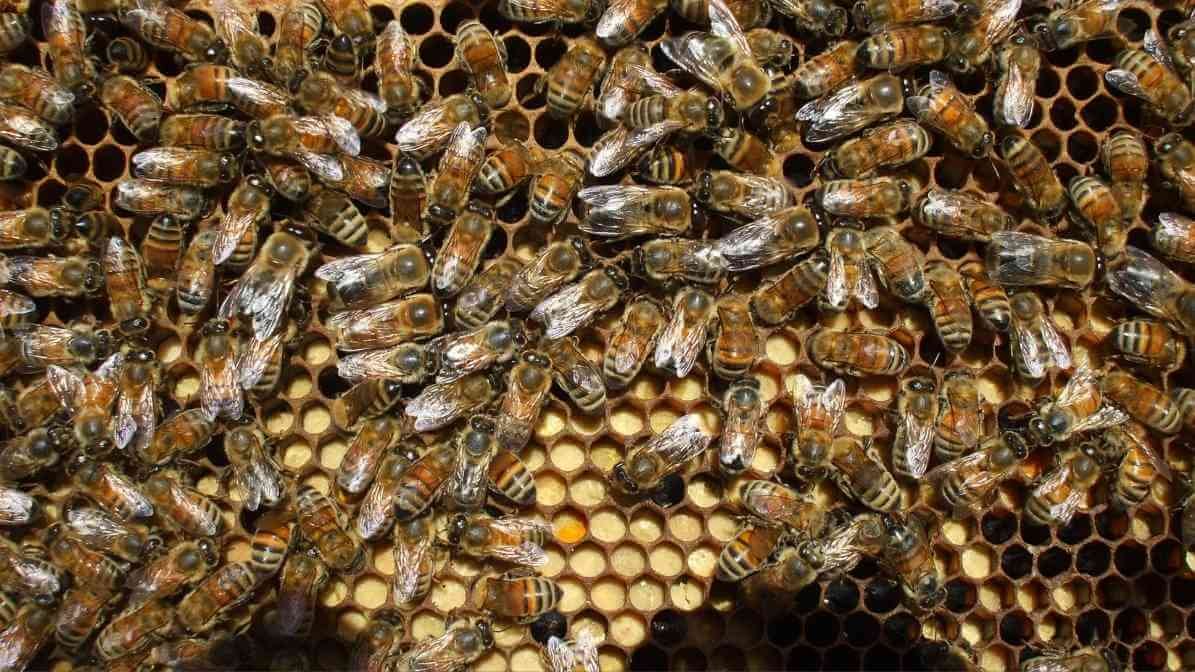
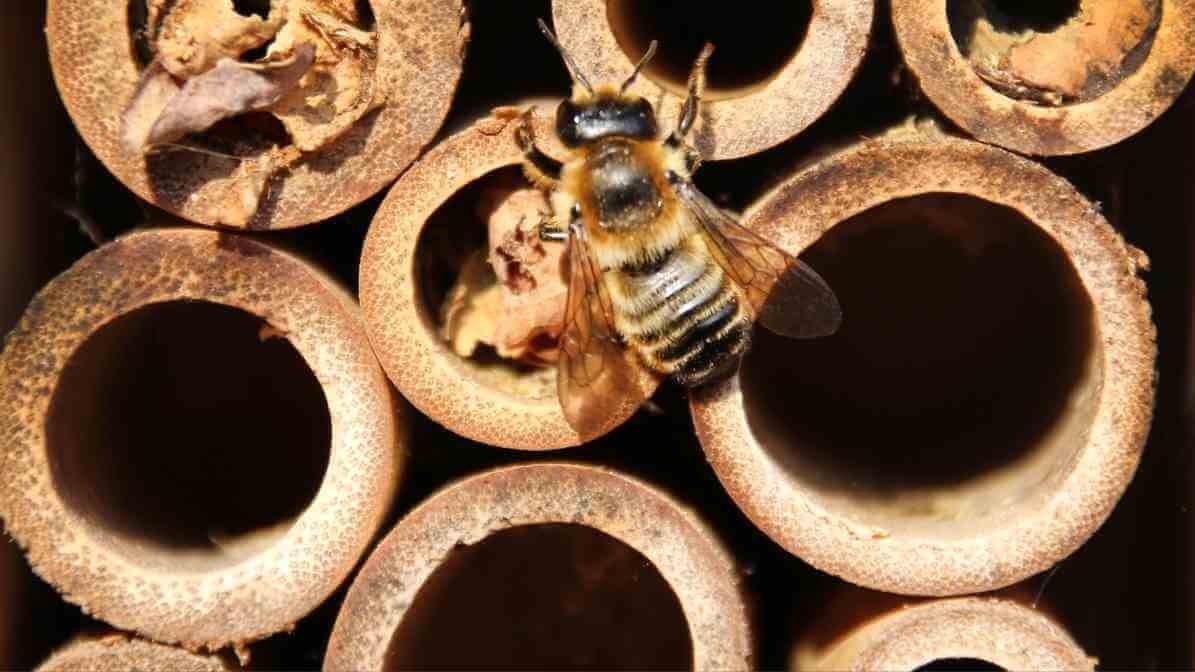
Social Bees: Living in Organised Colonies
These bees share food, protect their hive, and have complex communication systems. Honey bees and stingless bees fall into this category. Social bees live in structured colonies with defined roles:
- Queen bee – The reproductive heart of the colony
- Worker bee – Female bees responsible for foraging, nest building and defence
- Male bee (drone) – Exists primarily for mating
Solitary Bees: Independent and Low-Risk
A solitary bee lives alone rather than in a colony. Each female builds and provisions her own nest. Solitary bees are generally non-aggressive and rarely sting, making them less of a threat in most environments.
Identifying Key Bee Species Found Locally
Common Types of Bees in Malaysia You Should Know
1. Honey Bees
Honey bees are among the most recognisable bee species in Malaysia. They live in large colonies and produce honey, wax and royal jelly. While valuable pollinators, unmanaged honey bees near buildings may pose safety risks, especially to allergic individuals.
- Known for hairs on their hind legs, which help carry pollen
- Workers forage while protecting the hive
- Colonies can become defensive if threatened
2. Stingless Bees
Malaysia is famous for its stingless bee honey, locals call it kelulut honey. Despite their gentle nature, nests in walls or roofs should be professionally assess to prevent structural damage.
- Smaller than honey bees
- Do not sting but may bite defensively
- Build intricate bee nests in tree hollows or wall cavities
3. Carpenter Bees
The carpenter bee is large, black and often mistaken for a bumblebee. Carpenter bees do not nest underground but tunnel into timber, making early intervention critical for property protection.
- Solitary in nature
- Excavates wood to lay eggs
- Can weaken wooden structures over time
4. Mason Bees
Mason bees are efficient pollinators commonly found in gardens. They are non-aggressive but may require relocation if nesting near human activity.
- Solitary bees that use mud to seal nests
- Often nest in cracks, walls or hollow stems
- Short life cycles where each bee to emerge completes pollination quickly
5. Leafcutter Bees
The leafcutter bee is easy to identify by the neat circular cuts it leaves on plant leaves. These bees are beneficial but may concern homeowners unfamiliar with their behaviour.
- Solitary and harmless
- Uses leaves to line nesting chambers
- Often has visible pollen carried on hairs on their hind legs
6. Ground-Nesting Bees
Some bee species prefer to nest underground, creating small burrows in soil or lawns. Our professional evaluation ensures safety without unnecessary extermination.
- Typically solitary
- Low aggression unless disturbed
- Nest entrances may appear as small soil mounds
7. Common Carder Bees
Though less common in Malaysia, the common carder bee may occasionally be spotted.
- Known for gathering plant fibers
- Medium-sized with fuzzy appearance
- Plays a role as a host species for certain host bees
Honey Bees and Stingless Bees in Residential Areas
Bee Anatomy and Identification
Correct identification is essential before any management action. Understanding bee anatomy helps differentiate species:
White tail markings may appear on some solitary bees
Short tongued bees prefer shallow flowers
Male bees lack stingers and are often mistaken as harmless intruders
Pollen baskets and hairs on their hind legs indicate active pollinators
Did You Know?
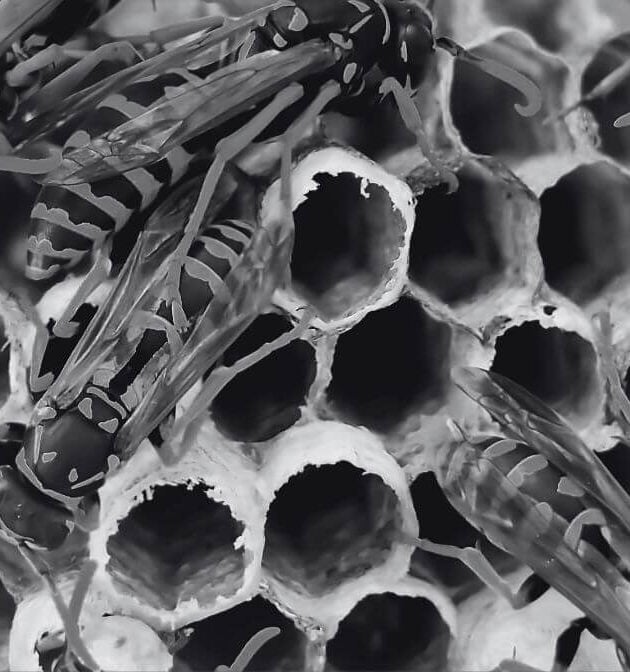
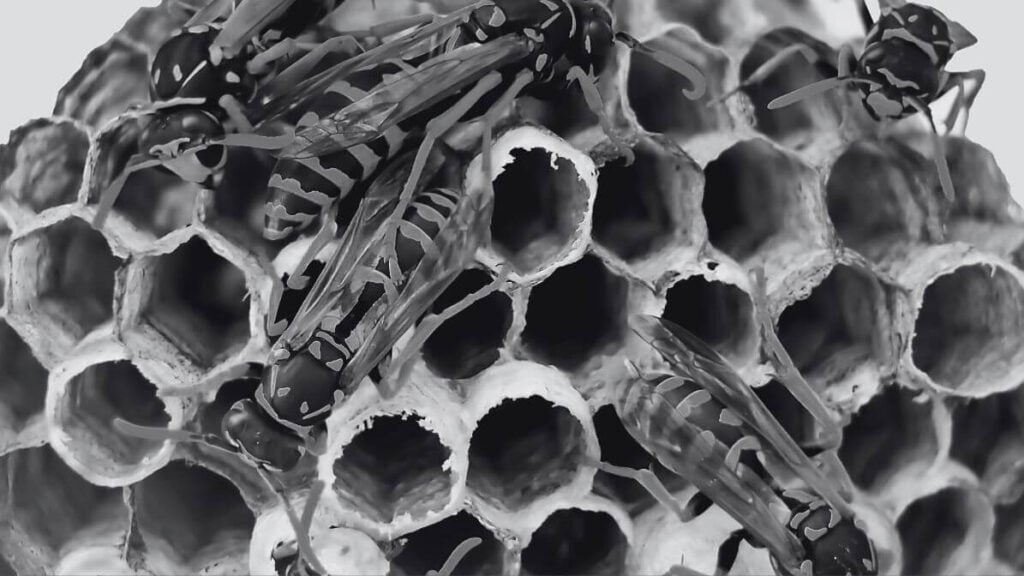
Many people mistake bees for wasps species. Most types of bees in Malaysia are far less aggressive than they appear.
Bee Nests in Walls, Roofs and Nest Underground Areas
Where Bees Build Nests in Urban and Natural Environments?
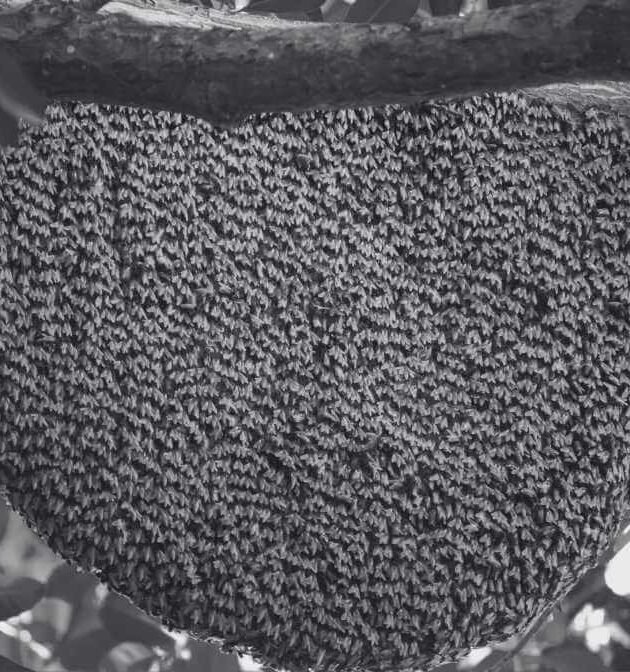
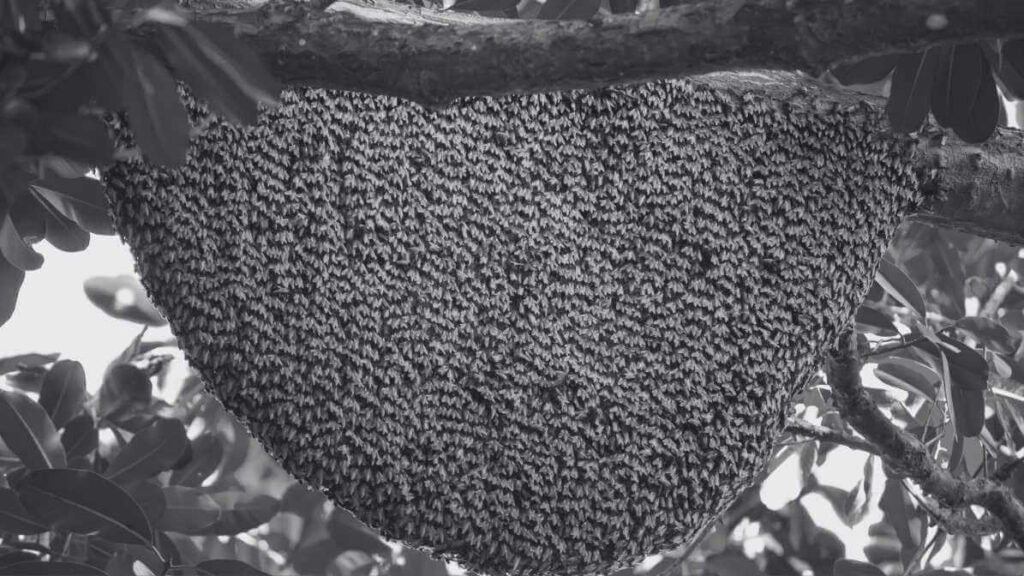
Unmanaged nests can grow rapidly, especially with social bees whose bees lives depend on colony survival. Bees choose nesting sites based on safety and proximity to food:
Tree hollows and wall cavities
Roof spaces and ventilation gaps
Wooden beams and decks
Soil patches where bees well nest underground
When Bees Lives and Nest Locations Become a Risk
Are Bees Dangerous to Humans and Properties?
Most bees are not aggressive by nature. Stings usually occur when nests are disturb or threatened. Innovative pest management professional prioritises safe relocation wherever possible. Risks increase when:
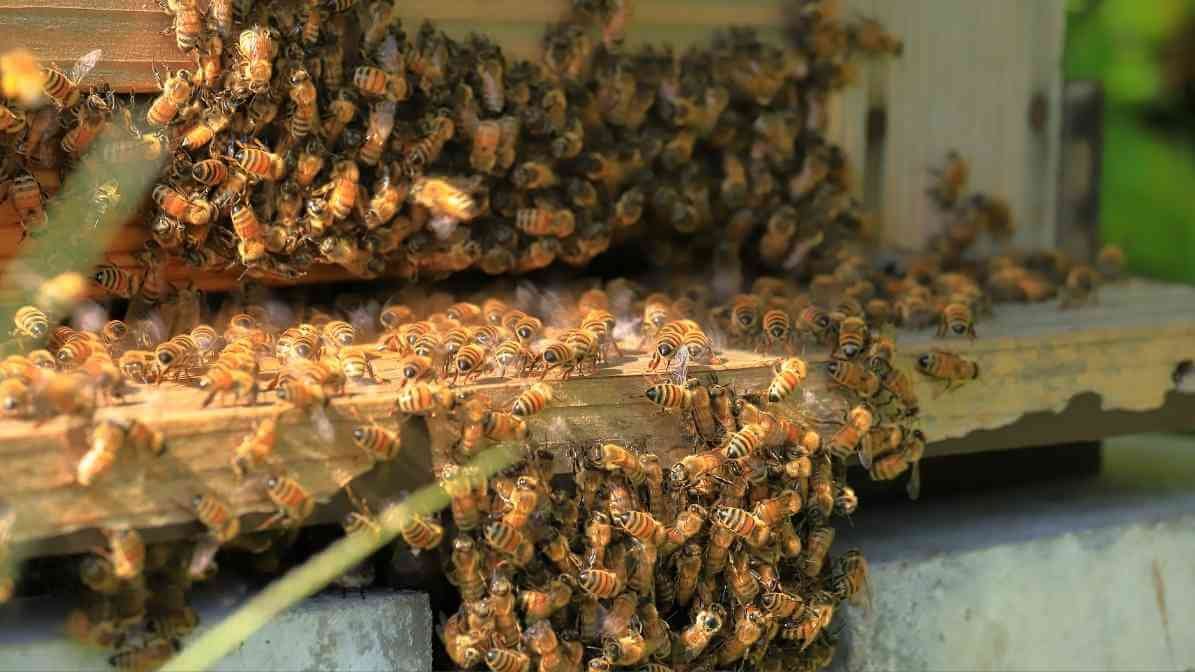
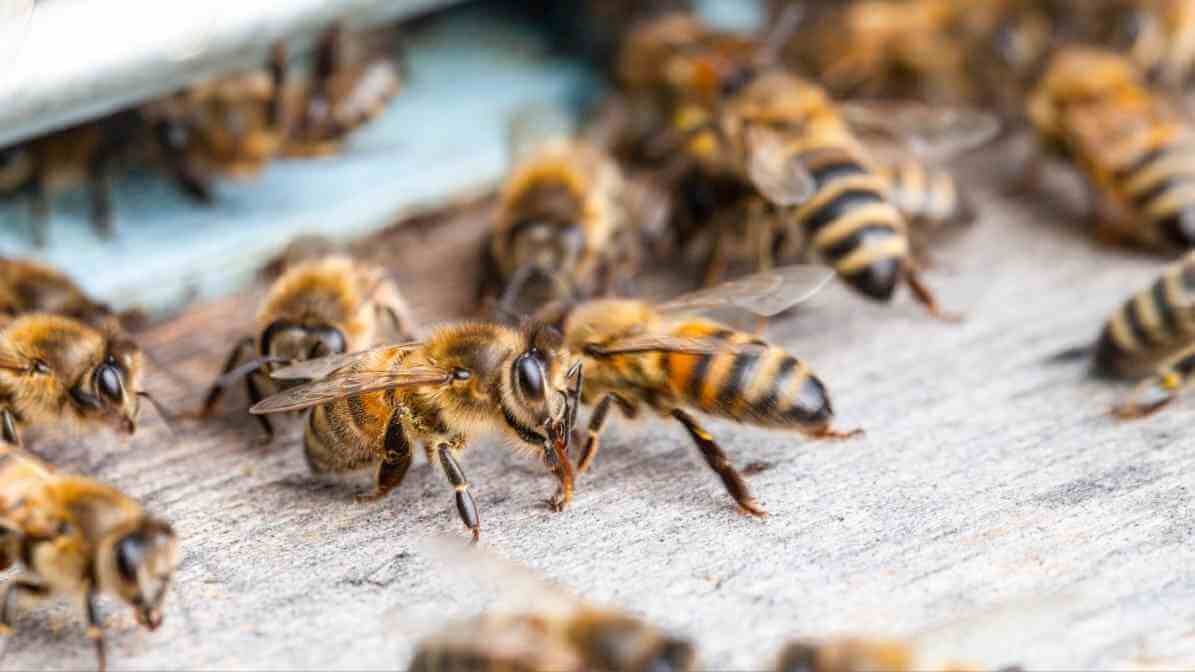
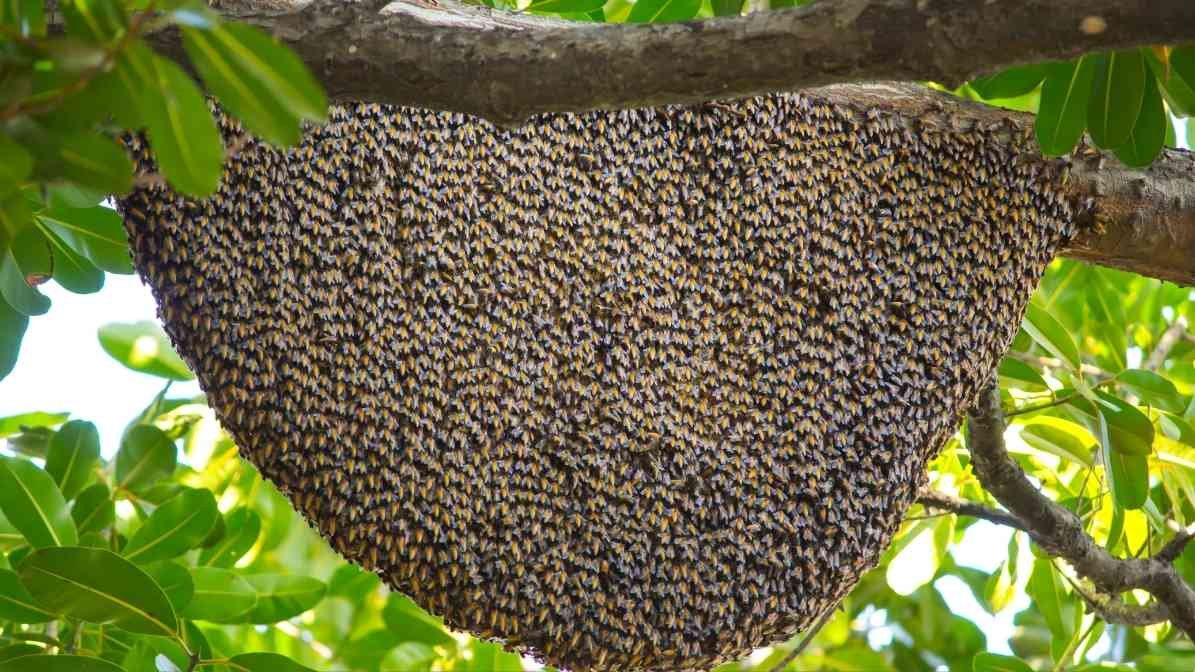
Nests are close to children or pets
High foot traffic areas are involved
Individuals have bee sting allergies
Protecting Host Bees While Ensuring Public Safety
Ethical and Professional Bee Management in Malaysia
Our approach supports long-term bee population health while protecting people and property. At Innovative Pest Management, we follow responsible, science-based practices:
Species identification by trained professionals
Non-lethal relocation for protected or beneficial bees
Environmentally conscious solutions aligned with Malaysian regulations
Expert-Led Solutions Backed by Pest Expert Knowledge
Why Professional Bee Control Matters?
Do-it-yourself removal can be dangerous and illegal for certain species. Incorrect removal can cause bees to reappear or become aggressive. Professional services ensure:
Proper handling of queen bee and colony structure
Prevention of re-infestation
Minimal harm to beneficial pollinators
Compliance with environmental guidelines
Bees, Business and Property Safety
Why Choose Innovative Pest Management
For commercial properties, unmanaged bees can disrupt operations, pose liability risks and damage structures. Early assessment prevents escalation and costly repairs. Our team of experts combines pest management expertise with behavioural insight. Ensuring every solution balances safety and sustainability.
We do not just remove bees, we manage risk, protect ecosystems and deliver peace of mind.
Deep understanding of types of bees in Malaysia
Expert-trained technicians with field experience
Eco-conscious, humane control strategies
Trusted by residential, commercial and industrial clients
Professional Bees Control and Beehive Removal Services
Innovative Pest Blog Summary
Bees are essential to Malaysia’s natural heritage, but coexistence requires knowledge and responsible management. By understanding the types of bees, their nesting habits and behaviours. You can make informed decisions that protect both people and pollinators.
If you face a bee-related issue, trust Innovative Pest Management for expert guidance, ethical solutions and professional results. Contact us today for a professional bee inspection and tailored management plan.
Why Clients Choose Us
✔ Years of Experience in Malaysia & Singapore
Our dual-market presence strengthens our capabilities and enhances our understanding of pest patterns across climates.
✔ Proven Results Across a Wide Range of Cases
From minor infestations to complex structural infestations, our case studies showcase our technical accuracy and problem-solving skills.
✔ Eco Friendly Commitment
We prioritise materials and treatments that reduce environmental impact while maintaining maximum effectiveness.
✔ Professional Guidance on Pest Identification
Our specialists guide customers on identifying early warning signs. Especially for termites, bed bugs and rodents, ensuring quick and accurate response.
✔ Clear Communication and Honest Reporting
Every treatment comes with documentation, service reports and preventive recommendations.
✔ Long-Term Protection Strategies
Our focus is not only to fix pest issues today, but to protect your space for the future.