Bee Farm Insights, The Bees and Honey Growth
February 13, 2026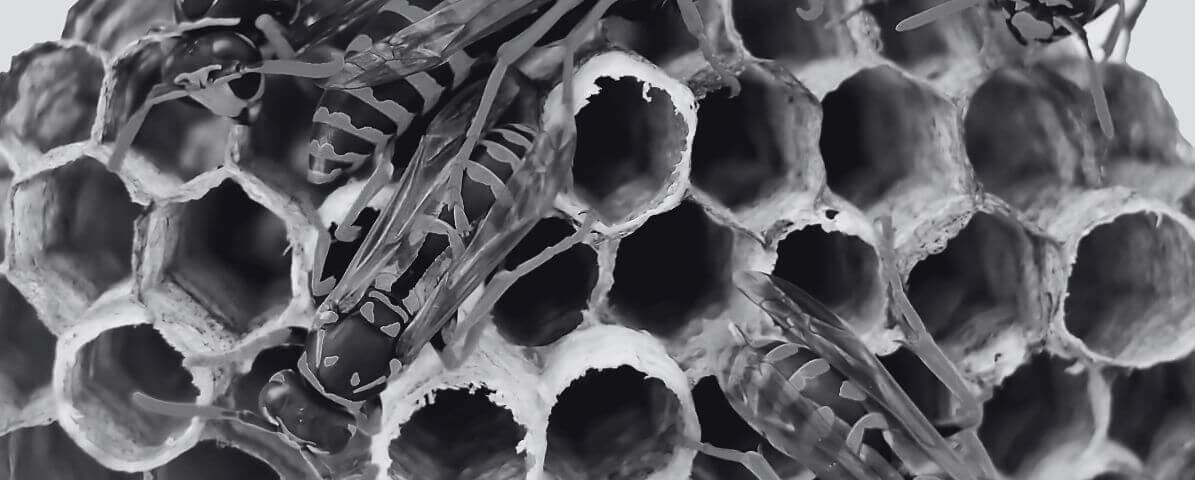
Types of Wasps in Malaysia Discover Their Hidden World
Discover The Types of Wasps in Malaysia, Their Hidden World
Unsure of the types of wasps nesting around your residential home or business? Avoid disturbing the nest or attempting DIY removal, as defensive wasps may sting repeatedly when threatened.
What Are the Different Types of Wasps?
Types of Wasps in Malaysia: Know These Fascinating Species
Various types of wasps are recognise for one thing, their painful sting. However, behind their intimidating reputation lies a fascinating group of insects with complex behaviours and important ecological roles. Malaysia's warm tropical environment supports a diverse range of insects, including many wasp species. The Malaysia Biodiversity Information System (MyBIS) records numerous members of the Vespa and Polistes groups, among others.
Understanding different types of wasps can help homeowners and businesses distinguish normal insect activity from a potential pest problem. Some species live socially and protect established colonies, while other solitary species spend much of their lives independently. So, what exactly is a Malaysian wasp, how does it live and which type do you encounter around your property?
Malaysian Wasp: Discover the Fascinating Types Around You
What Is a Wasp?
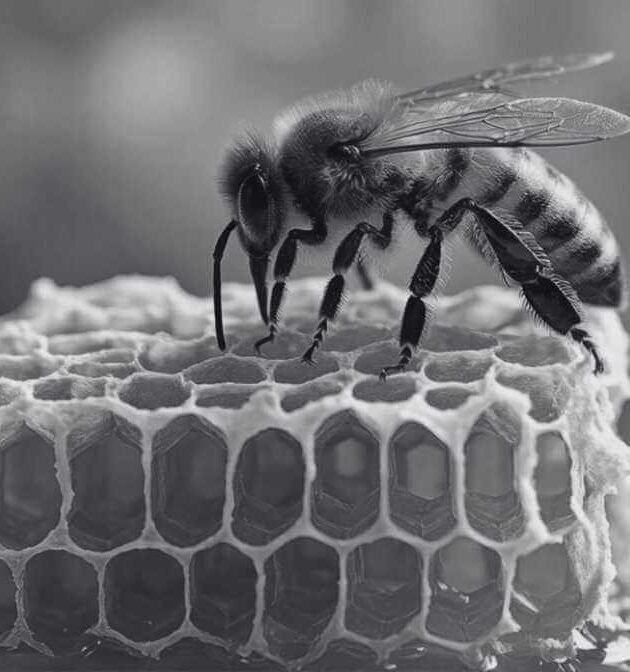
They belong to the insect order Hymenoptera, which also includes bees and ants. Their appearance varies considerably between species. Many are inch long, with narrow waists and relatively smooth bodies compared with bees. Colours can range from dark brown, black and white and reddish shades to familiar black and yellow patterns.
Not every species behaves in the same way, generally be discuss as either social or solitary species. Social species establish colonies in which individuals perform different roles. Solitary species, meanwhile, generally live and reproduce independently rather than maintaining a large colony. This distinction is important when assessing their activity around a property.
Common Types of Wasps Found in Malaysia
What Types of Wasps in Malaysia?
Malaysia has considerably more diverse species than a single blog can cover. MyBIS records numerous Vespa species in its biodiversity database, including Vespa affinis, Vespa tropica, Vespa velutina and others. It also records numerous Polistes species, including Polistes stigma, Polistes olivaceus and Polistes rothneyi. Here are several groups worth understanding.
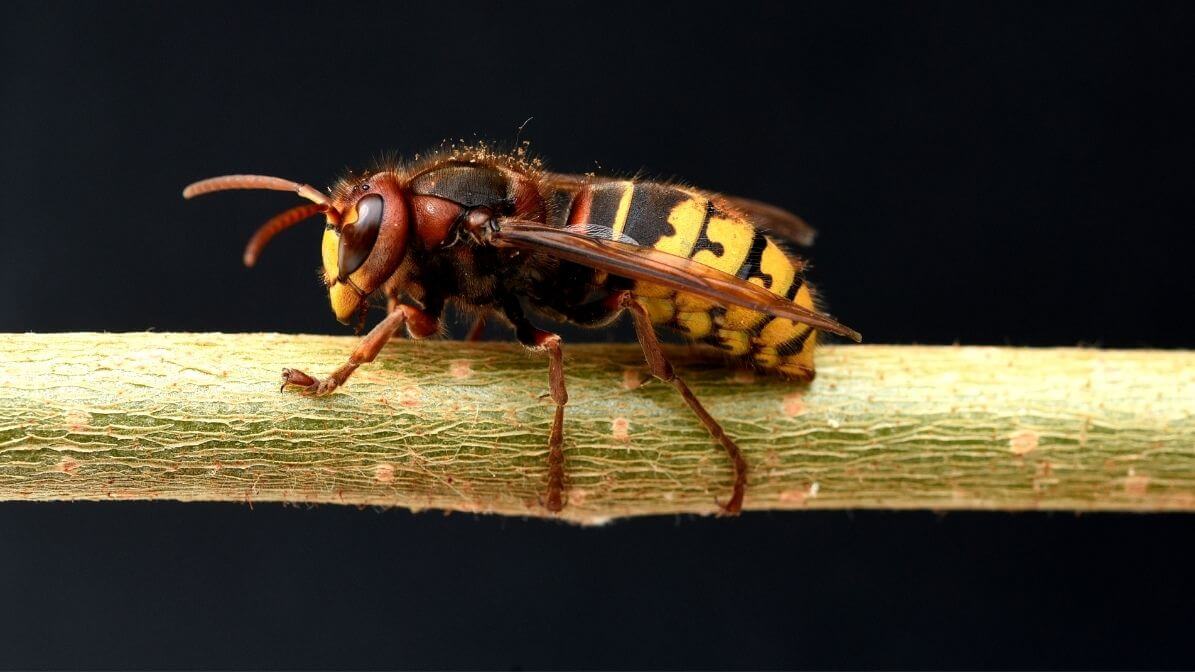
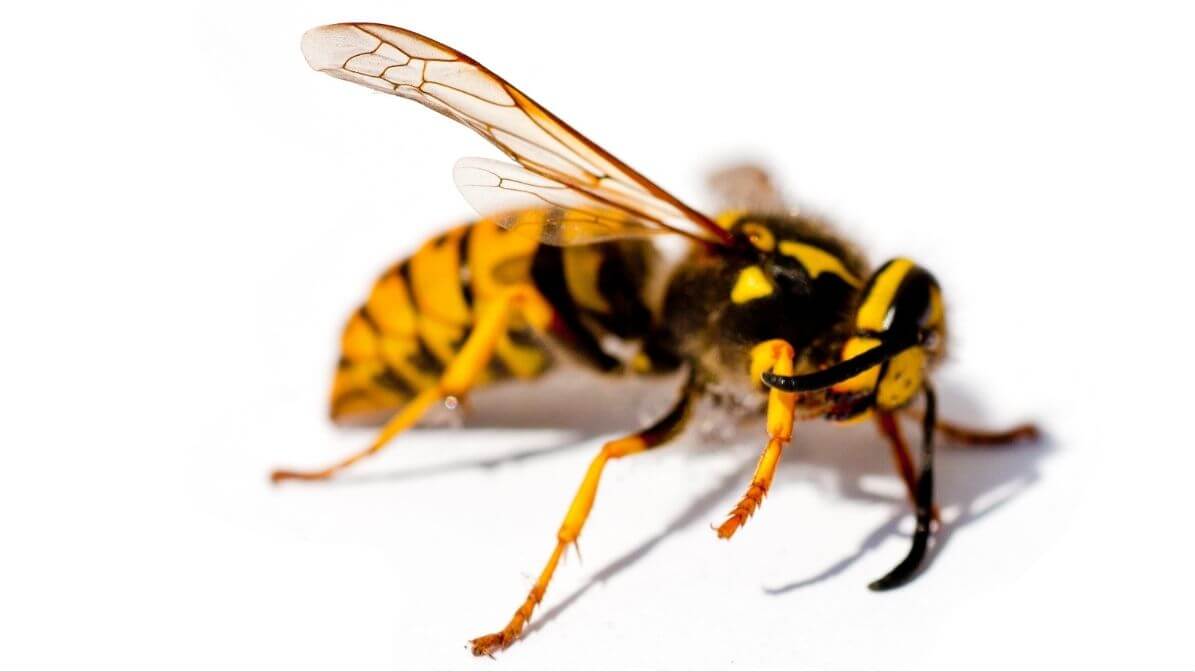
1. Hornets – Vespa Species
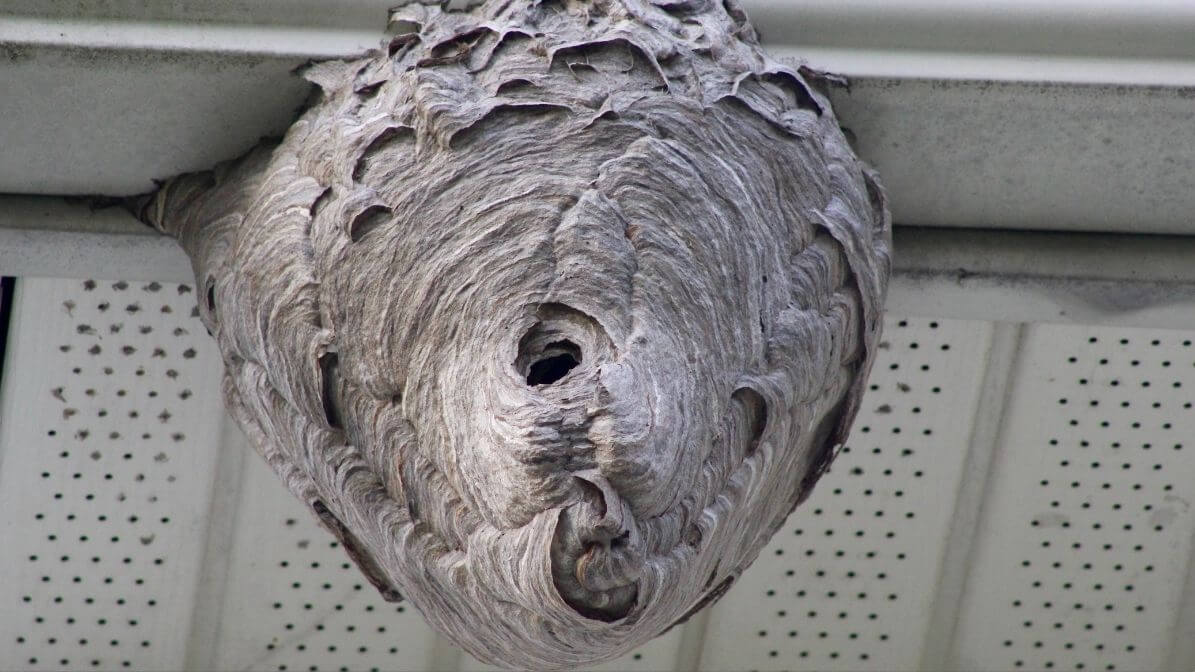
Hornets belong to the genus Vespa and are the social species. One species documented in Malaysia is Vespa affinis, commonly known as the lesser banded hornet. These insects live socially and establish colonies. Workers leave the nest to obtain resources, while the colony maintains and protects its nesting site.
Hornets can become a concern when nests develop close to human activity. A nest near a doorway, garden, workplace or frequently used outdoor area can increase the chance of accidental encounters.
How Can You Recognise Hornet Activity?
Look for repeated movement rather than trying to approach an insect closely. Several times they will repeatedly travelling towards the same tree. Roof section or structural opening may indicate a nesting location nearby. Never approach an active nest simply to identify the species.
2. Paper Wasps – Polistes Species
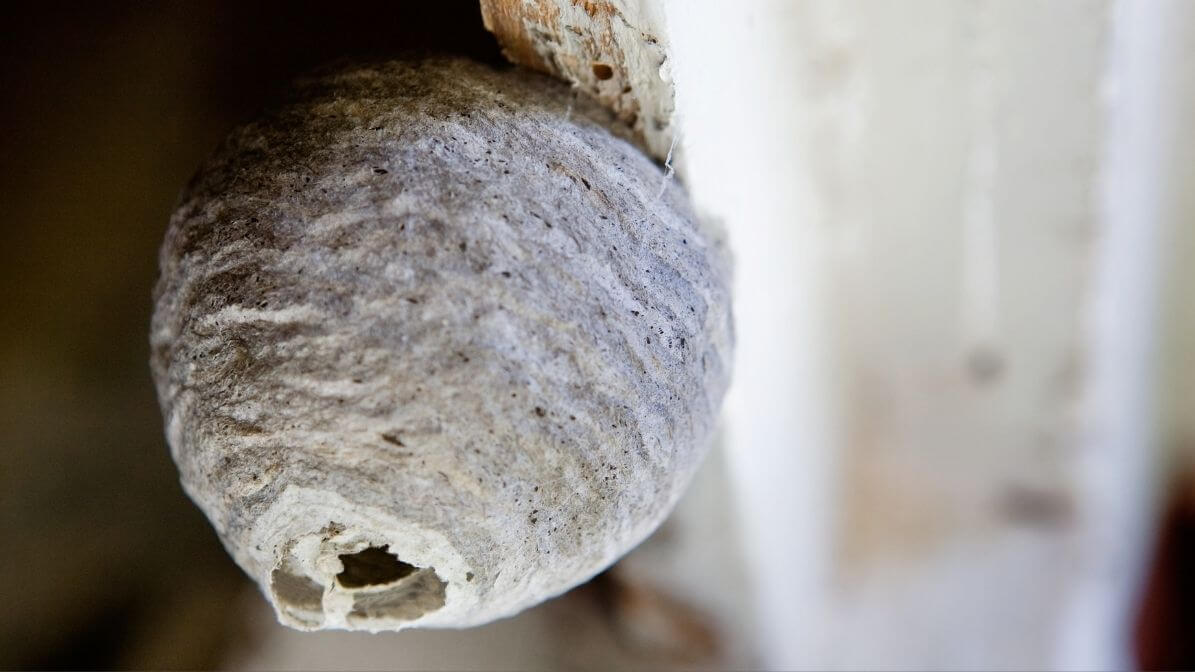
Another important group is the paper wasp. Malaysia's biodiversity records include several Polistes species. Examples include Polistes stigma and Polistes olivaceus. They get their common name from the paper-like material used to construct their nests.
They collect plant fibres and process them into material used for nest construction.
What Do Paper Wasp Nests Look Like?
Their nests commonly contain visible open cells. Depending on the species and location, nests may be attach to protected structures or vegetation. When a nest is situate away from people, encounters may have limit. Problems are more likely when they start nesting around buildings are repeatedly disturb by normal human activity.
Do not confuse Malaysia's local Polistes species with the European paper wasp (Polistes dominula). A species frequently discussed in resources from regions such as North America and Europe.
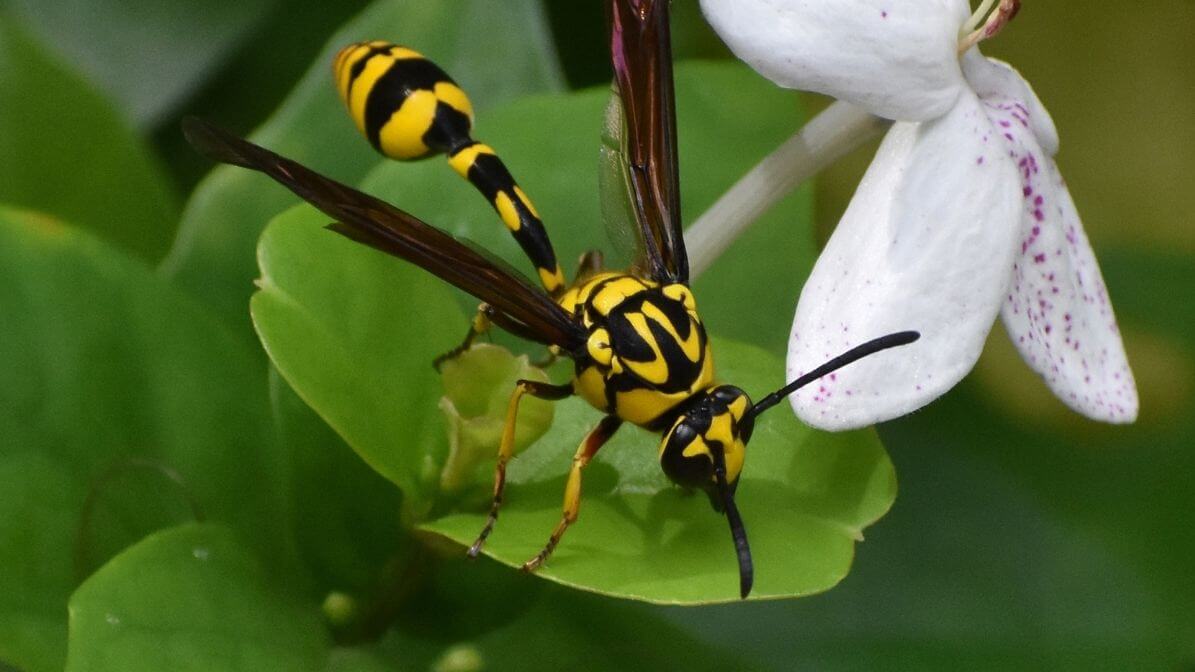
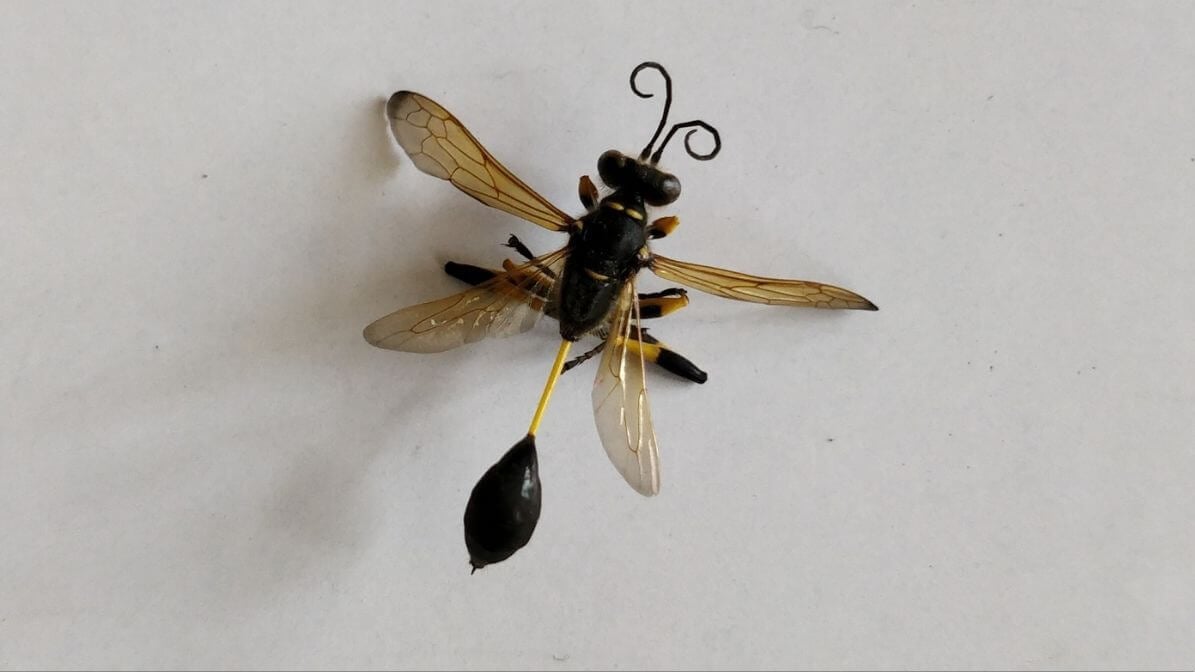
3. Potter Wasps
They are one of the other fascinating group. Malaysia's MyBIS database, for example, records Delta campaniforme, known as the Yellow Potter Wasp with particularly interesting nesting behaviour. Instead of creating a large colony like many social wasps, potter wasps are generally solitary. Females construct individual nesting chambers, provision them with prey and lay eggs for the next generation.
This egg laying and nest-provisioning strategy differs considerably from the colony system associated with social hornets. Solitary species can therefore play a beneficial ecological role by hunting other insects.
4. Mud-Building Solitary Wasps
You may also encounter solitary species associated with mud-built nests. The term mud dauber is commonly use for several types of species known for constructing nest cells from mud. Unlike large colonies of social wasps, mud-building solitary wasps typically provision individual nest cells for their young. Finding a mud structure does not automatically mean that you are dealing with a large aggressive colony.
Correct identification matters before deciding whether control is necessary.
How to Identify Different Types of Species?
Social Wasps vs Solitary Wasps
Understanding this difference makes the hidden world of wasps much easier to appreciate.
Social Wasps
Social species live together in colonies. Their colony may include reproductive individuals and workers responsible for tasks such as foraging, nest maintenance and defence. Because there are multiple individuals associate with one nest, disturbing active social colony can create a greater sting risk.
Solitary Wasps
Most solitary species do not maintain large worker colonies. A female generally constructs or uses a suitable nesting location. Captures prey or otherwise provisions the nest, lays her eggs and continues the reproductive cycle. Their behaviour and level of risk around properties can therefore different from those of social species.
Why You Should Never Disturb a Their Nest?
Are Malaysian Wasps the Same as Yellow Jackets?
Many online articles about the types of wasps are for readers in the United States or Europe. As a result, searches often produce terms such as yellow jacket, bald faced hornet and European hornet. Those names should not automatically be apply to every wasp seen in Malaysia.
For example, the bald-faced hornet is a North American species despite its common name describing it as hornet. Likewise, European species discuss extensively on international websites be assume to represent the wasp you see around Malaysian property. Local identification is base on species actually occurring in the region rather than photographs from overseas pest-control websites.
How They Help Control Other Insects and Help With Pollination?
Why Are Wasps Important to the Environment?
Despite their reputation, wasps have important ecological functions. Research on social vespid wasps notes their contribution to both pollination and pest control. Many species prey on other insects. This natural predatory behaviour can help regulate insect populations within an ecosystem.
Adult wasps may also visit flowers and participate in pollination. Therefore, seeing the wasp outdoors does not automatically mean it needs to be eliminate. The important question is whether its presence creates an actual risk.
Did You Know That Wasps Can Sting More Than Once?
Unlike honeybees, many wasps do not leave their stinger behind after stinging, allowing them to deliver repeated stings.
Where Do These Different Types of Species Build Nests?
Where Do Wasps Build Their Nests?
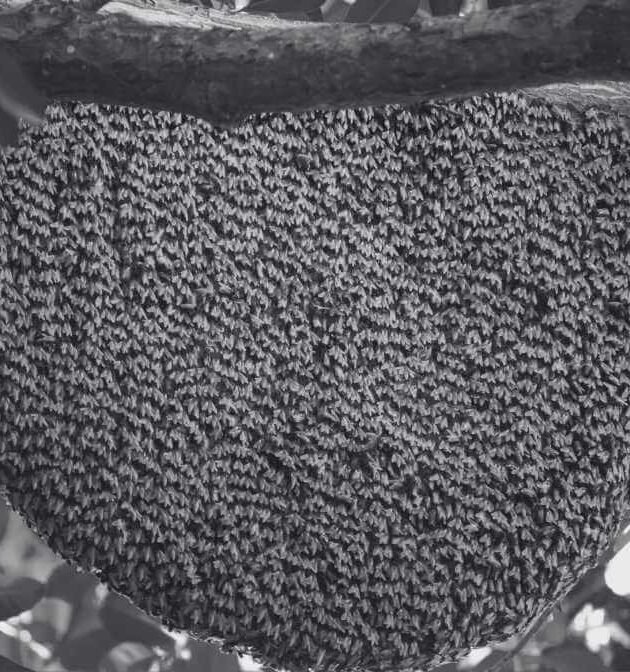
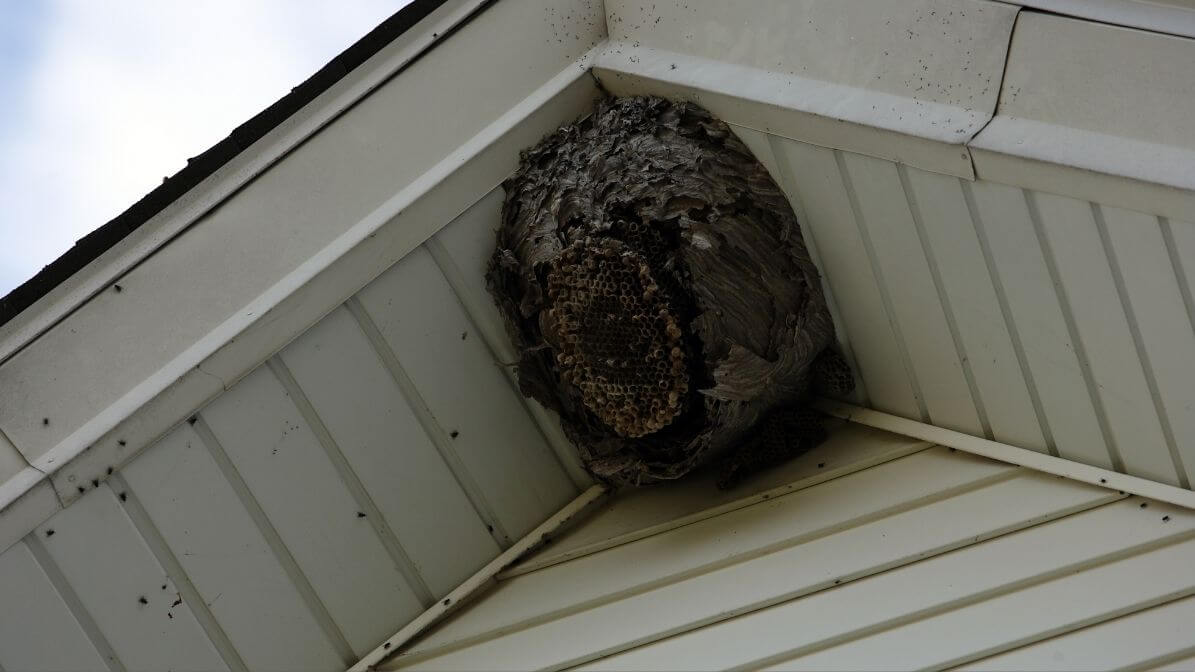
Nest location depends on the species, some species build exposed nests, while others select concealed or protected spaces. This can make detection difficult. You may notice insects repeatedly flying towards a structure long before you see the actual nest. Possible locations can include:
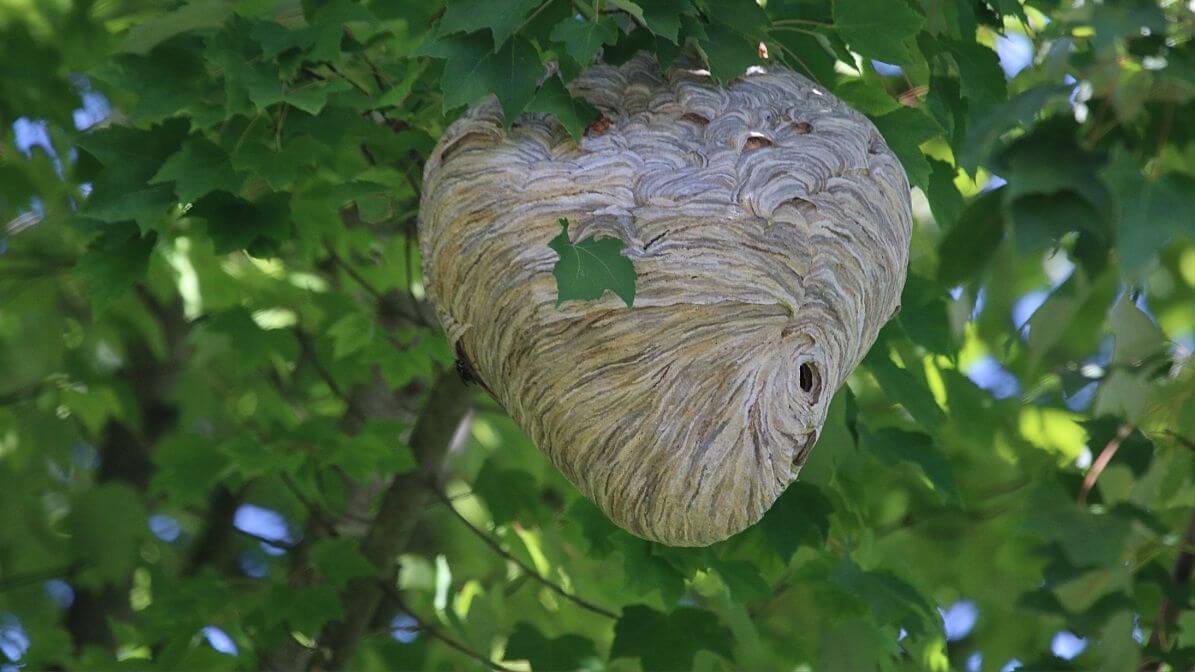
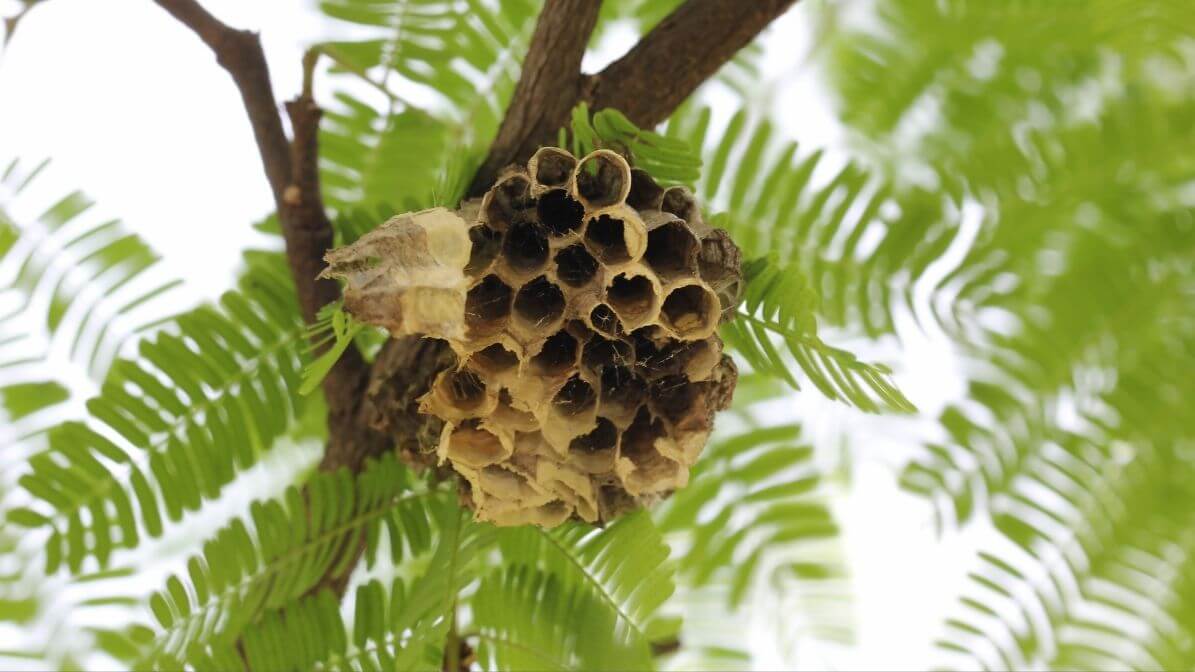
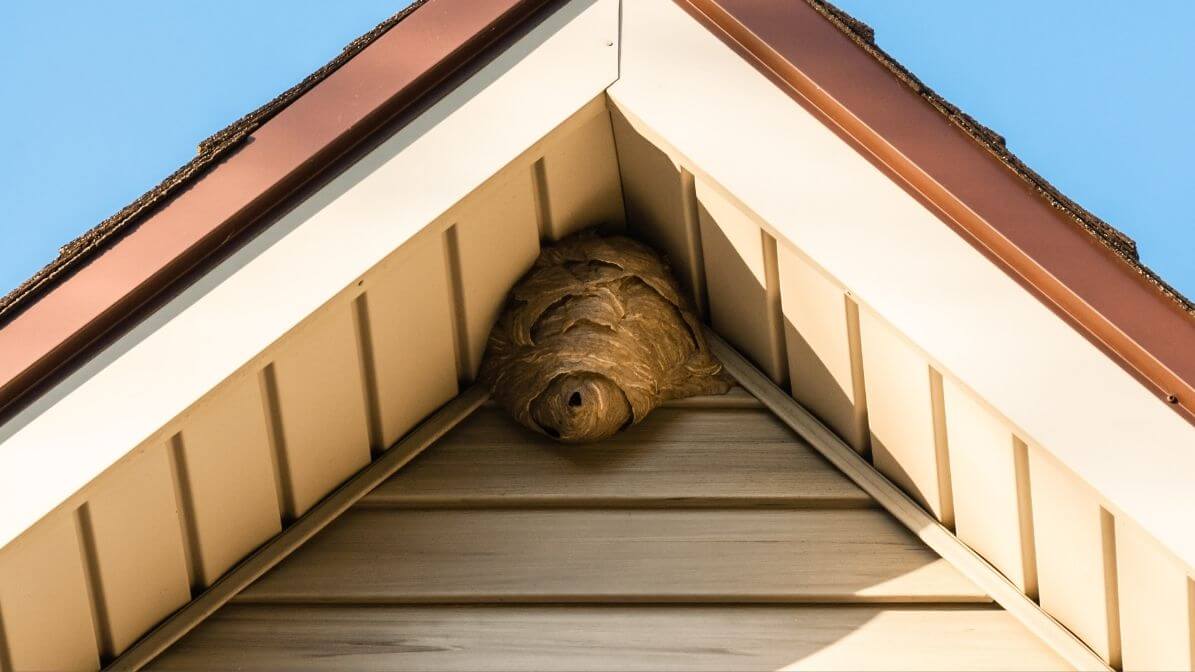
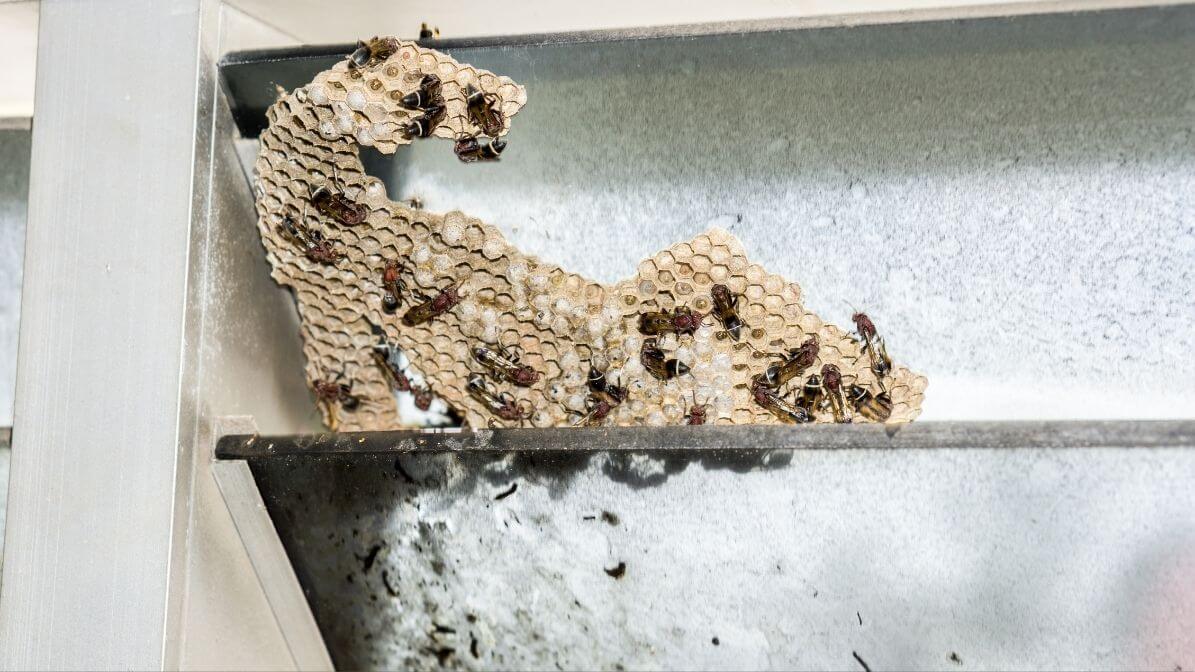
Trees and shrubs
Protected branches
Roof areas
Building eaves
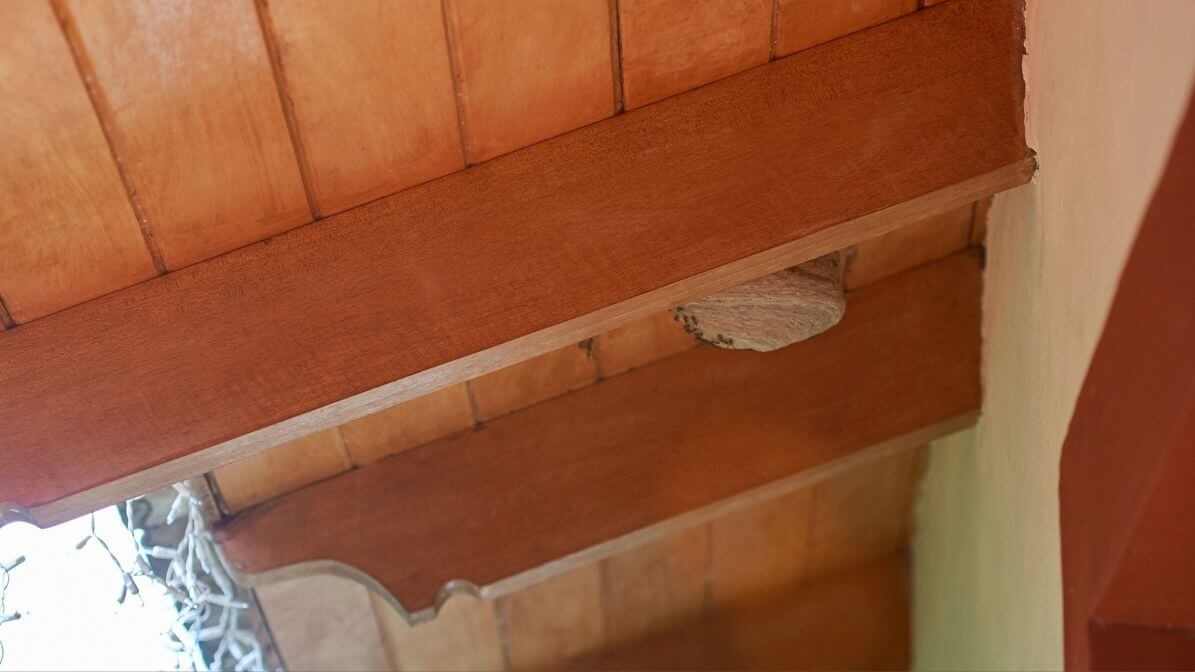
Sheds
Sheltered structures
Ceiling spaces
Structural cavities
Are All Types of Wasps Dangerous?
Can Malaysian Wasps Sting Repeatedly?
Many species can potentially sting repeatedly because they generally do not lose their stinger. After one sting in the way a honeybee commonly does. However, wasps do not simply spend their lives looking for people to sting. Stinging is primarily associate with defence, particularly when an insect or its nest is under threat.
The risk becomes more significant when people unknowingly approach or disturb a social wasp colony. Multiple wasp stings can be serious, and anyone experiencing breathing difficulties, severe allergic symptoms or other signs of anaphylaxis requires urgent medical attention. For a detailed discussion about sting symptoms and allergic reactions.
When Professional Inspection Is Necessary?
When Do Wasps Become a Pest Problem?
A single one visiting a garden does not automatically indicate an infestation, instead, look for patterns. Potential warning signs include:
A significant increase in numbers
Repeated flights to one location
A visible active nest
They enter the same structural opening
Frequent sighting of their activity indoors
Activity close to customers, children or employees
Why You Should Never Disturb Their Nest?
Never Disturb an Active Wasp Nest
If you discover a nest, keep your distance. Avoid hitting it, spray it indiscriminately or attempt to knock it down. Social species can defend their colony when threatened. Approaching an active nest without understanding the species, colony size or nest structure can expose you to multiple stings.
This is particularly concerning when nests occur near homes, restaurants, offices, schools, hotels or commercial properties.
Innovative Pest Management Wasp Control Solutions
Professional Wasp Control in Malaysia
Correct identification is an important part of responsible pest control. At Innovative Pest Management, we believe pest management should begin with inspection. Rather than automatically treating every insect that appears. This approach is particularly valuable when nests hides inside roof areas, structural gaps or wall voids.
Professional inspection can help determine:
Where they are mostly active
Whether their nest is present
Possible nesting locations
Entry points around the property
Whether the insects present a safety risk
Whether professional control is necessary
Discover the Wasp, But Respect Its Space
Innovative Pest Blog Summary
The world of the Malaysian flying pest species is far more diverse than many people realise. From social hornets and paper wasps to solitary potter and mud-building wasps. Different species have a significant different behaviours and ecological roles. We should not regard every flying pest as a threat.
However, repeat activity around your home or business should never be ignore. Particularly when you suspect a nest is nearby. Seeing an increase of activity around your property? Avoid disturbing the insects or attempting DIY nest removal.
Contact Innovative Pest Management for a professional pest inspection. Our specialists can assess the activity, identify potential nesting areas and recommend an appropriate pest management solution for your property in Malaysia.
Why Clients Choose Us
✔ Years of Experience in Malaysia & Singapore
Our dual-market presence strengthens our capabilities and enhances our understanding of pest patterns across climates.
✔ Proven Results Across a Wide Range of Cases
From minor infestations to complex structural infestations, our case studies showcase our technical accuracy and problem-solving skills.
✔ Eco Friendly Commitment
We prioritise materials and treatments that reduce environmental impact while maintaining maximum effectiveness.
✔ Professional Guidance on Pest Identification
Our specialists guide customers on identifying early warning signs. Especially for termites, bed bugs and rodents, ensuring quick and accurate response.
✔ Clear Communication and Honest Reporting
Every treatment comes with documentation, service reports and preventive recommendations.
✔ Long-Term Protection Strategies
Our focus is not only to fix pest issues today, but to protect your space for the future.