How to Accurately Identify The Different Type of Ants?
December 10, 2025
Strong Reasons Group of Ants Spread Fast Inside Properties
December 11, 2025
Ants Blog
Discover the black garden ant life cycle and behaviour. Including their habits and why black ants in house environments require expert pest control solutions.
How the Cycle of an Ant Develops From Egg to Adult?
The Ant Life Cycle and Black Garden Ant Behavioural Pattern
The fascinating world of ants is more complex than many people realise. Whether you are dealing with black ants in house environments, observing a black garden ant colony outdoors. Or curious about how the ant life cycle works, understanding their behaviour is key to successful management and prevention. Ant infestations are becoming more common, easy access to water sources and consistent tropical humidity supporting rapid colony growth.
At Innovative Pest Management, our entomology-based expertise allows us to analyse these pests from a scientific and behavioural perspective. Delivering effective solutions while educating property owners on what drives ant life. Experts explains the detailed cycle of an ant, how various castes perform different roles, and why certain species. Especially the black garden ant, they are increasingly becoming household intruders.
Why Black Garden Ants Thrive in Malaysian Environments?
Understanding the Basics of Ant Colonies
Ants live in highly organised societies called ant colonies. Every colony operates like a sophisticated biological machine with one shared purpose, survival and expansion. These colonies can contain hundreds to millions of members depending on species, climate and food availability. This intricate system allows ants to adapt to almost any environment.
Which is why owners often find black ants in house kitchens, bathrooms and electrical spaces where food and moisture are abundant. Each colony is structured into castes, including:
Queen ants
Castes queens is responsible for reproduction
Worker ants
Mainly responsible for building nests, caring for larvae and searching for food
Males and females (reproductives)
Expansion produced seasonally to establish new colonies
Understanding the Complete Ant Life Cycle
The Complete Ant Life Cycle: From Egg to Adult
To understand how colonies grow and why infestations become difficult to control. It helps to explore the ant life cycle in detail. Understanding this cycle helps our pest control experts target the right stage at the right time, improving treatment effectiveness. This cycle consists of four stages:
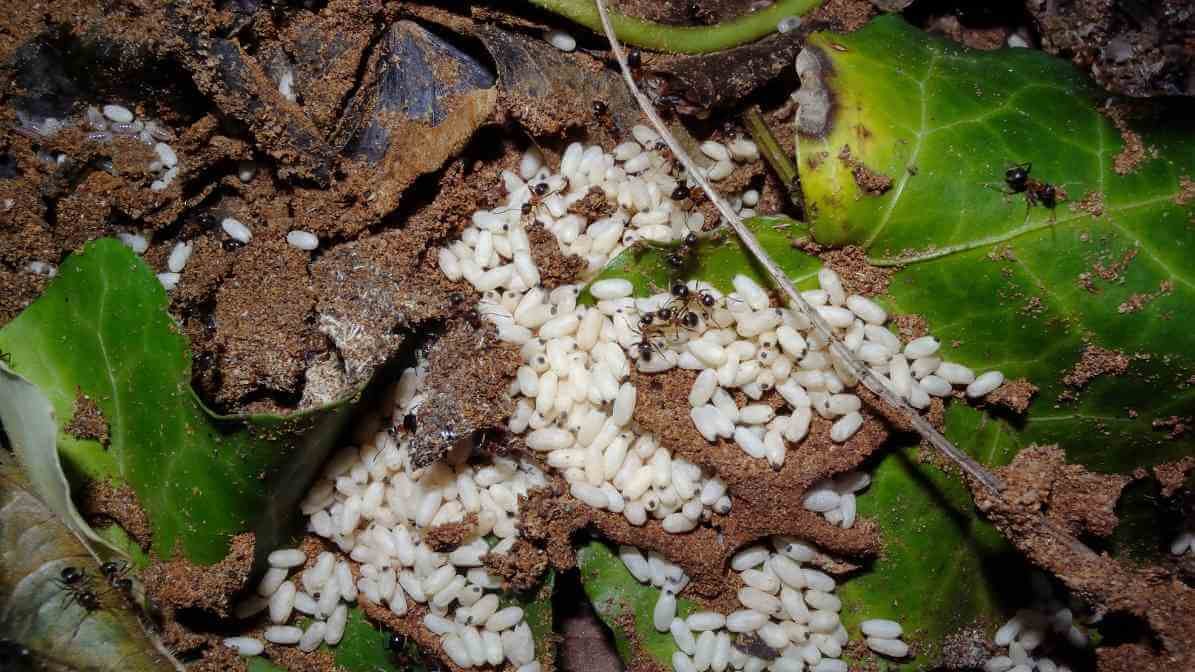
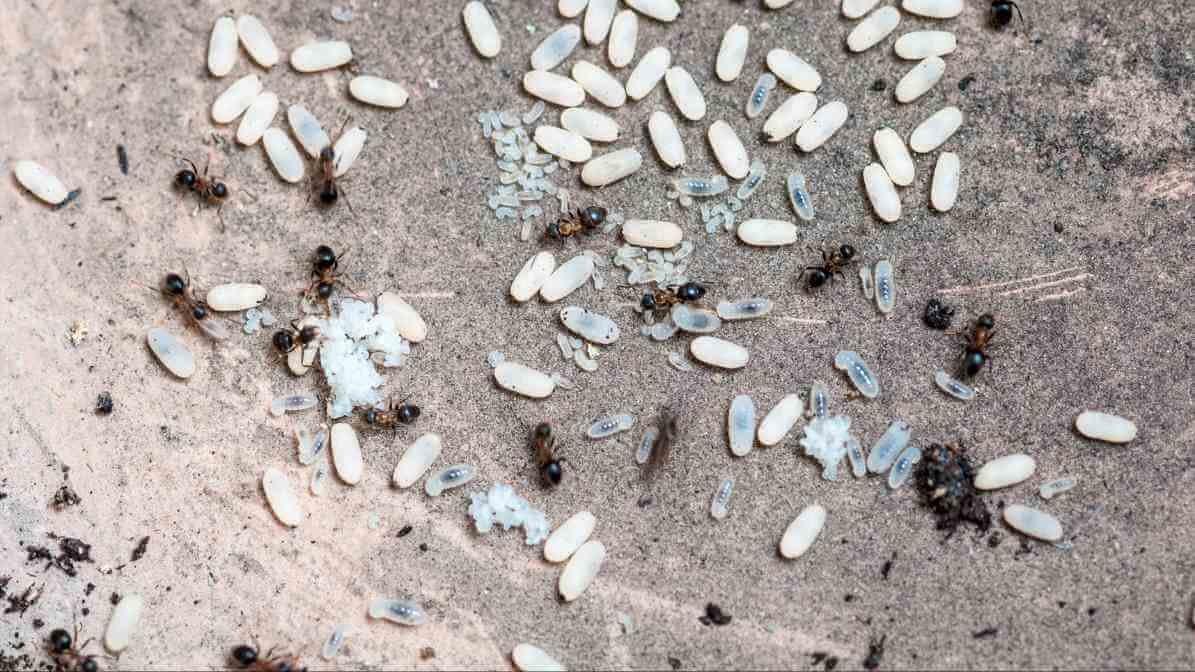
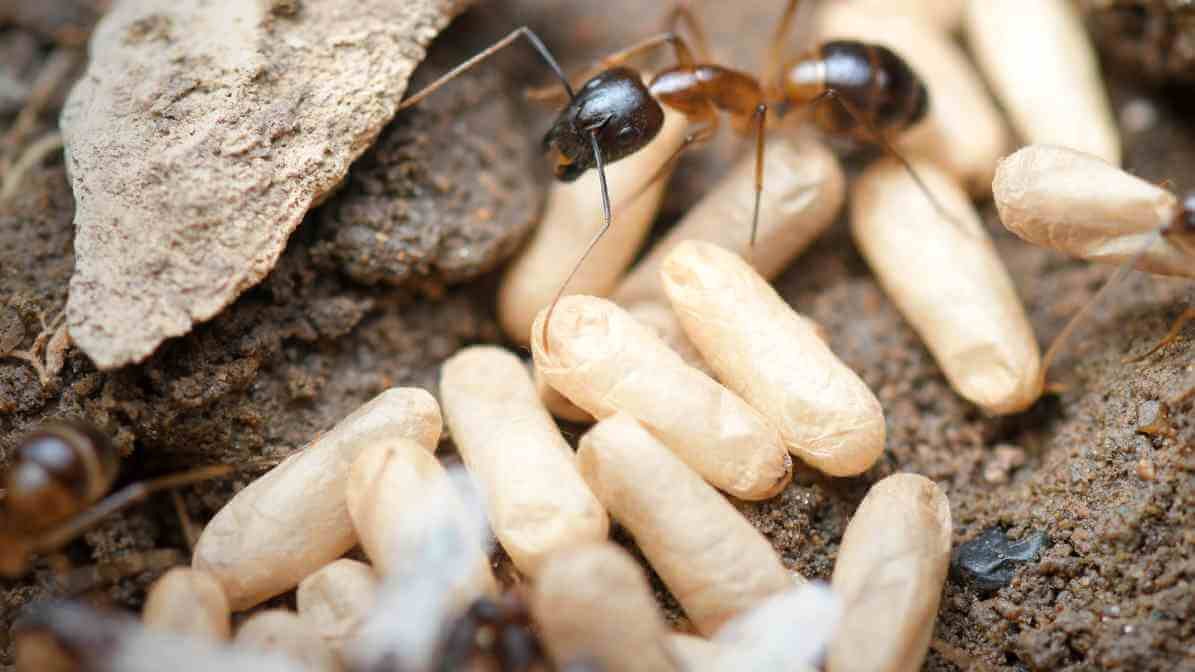
1. Egg Stage
The queen lays hundreds to thousands of eggs depending on the species. For the black garden ant, eggs are tiny, white and sticky, allowing them to clump together in brood chambers.
2. Larval Stage
Once the egg hatches, the larvae emerge. At this stage, they cannot move, so they rely entirely on the worker ants for feeding and cleaning. Larvae are feed on liquids derived from processed food gathered by foragers.
This stage determines the ants’ caste. Nutritional levels control whether a larva becomes a worker, a reproductive female or a future queen.
3. Pupae Stage
Larvae spin a protective layer and transform into pupae. During this transformation, legs, antennae and body structure form. The cycle of an ant at this stage resembles metamorphosis similar to butterflies, although less dramatic.
4. Adult Ant Stage
Once fully developed, adult ants emerge. Their roles are predetermined:
- Workers maintain the colony
- Reproductive males leave during mating season
- New queens form independent colonies
Factors That Support Rapid Growth of Black Garden Ant Colonies
Black Garden Ant: A Common Household Invader
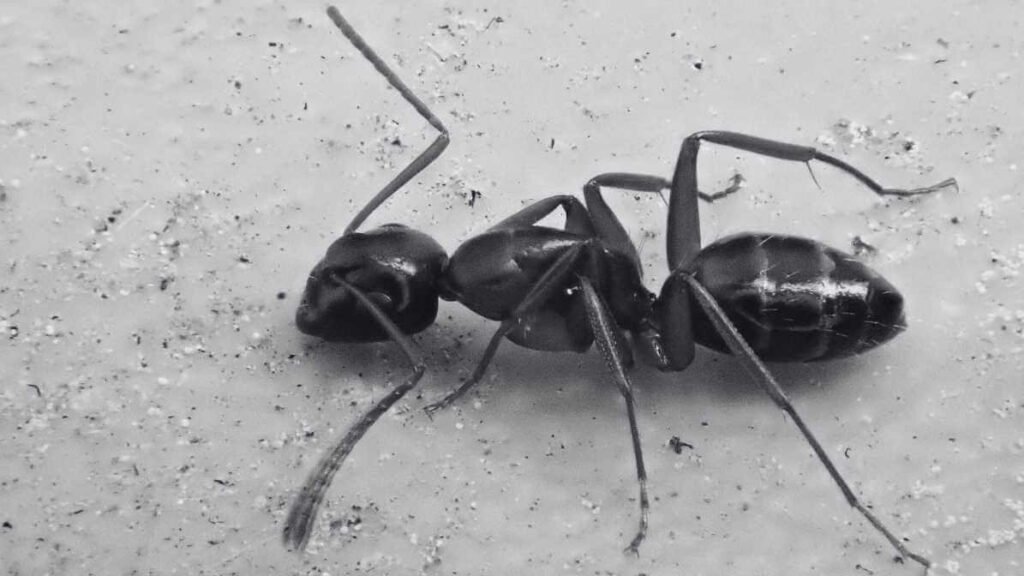
The black garden ant, also known as Lasius niger, is one of the most widespread ant species across Asia and Europe. Despite their name, these ants do not stay exclusively outdoors. Many Malaysian property owners find black ants in house setting, living around kitchens, bathrooms and floor drains.
Black garden ants also send out long foraging lines as they search of food, with workers communicating via pheromones. Once a trail is establish, colony send hundreds of workers until the source is deplete. Key Characteristics:
Medium-sized and dark in colour
Nests found in soil, cracks, concrete gaps and plant pots
Extremely persistent when searching for sugar-based foods
Colonies can grow rapidly when food sources are abundant
How Worker Ants Forage for Food and Protect the Nest?
Why Black Ants Enter Malaysian Properties?
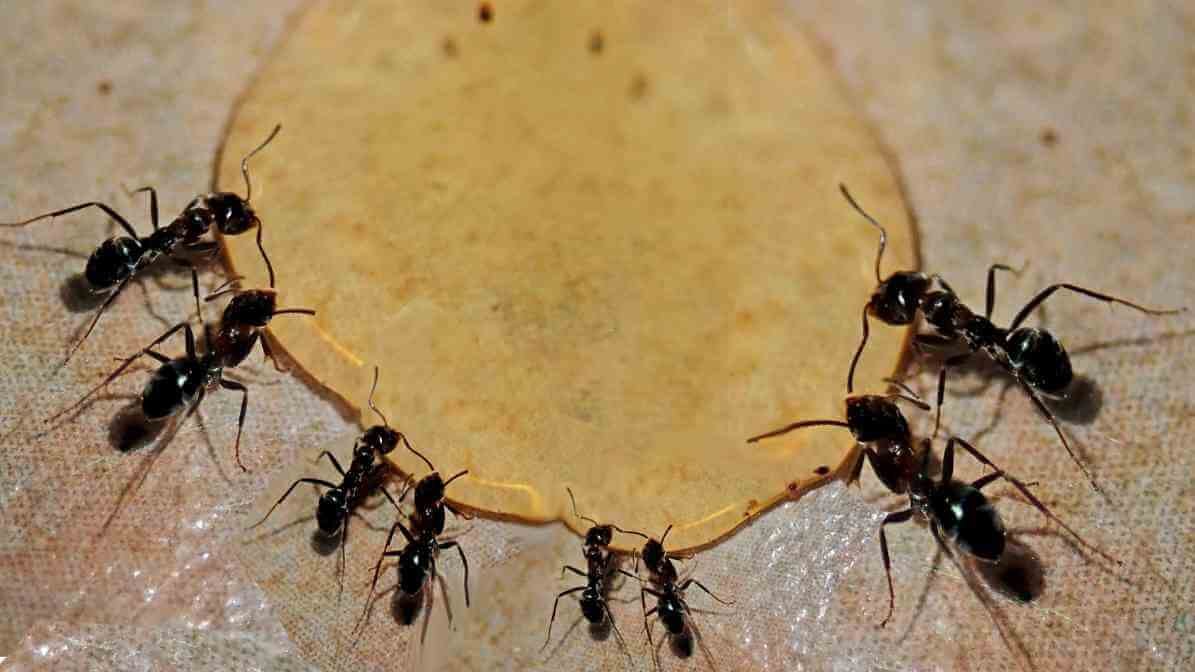
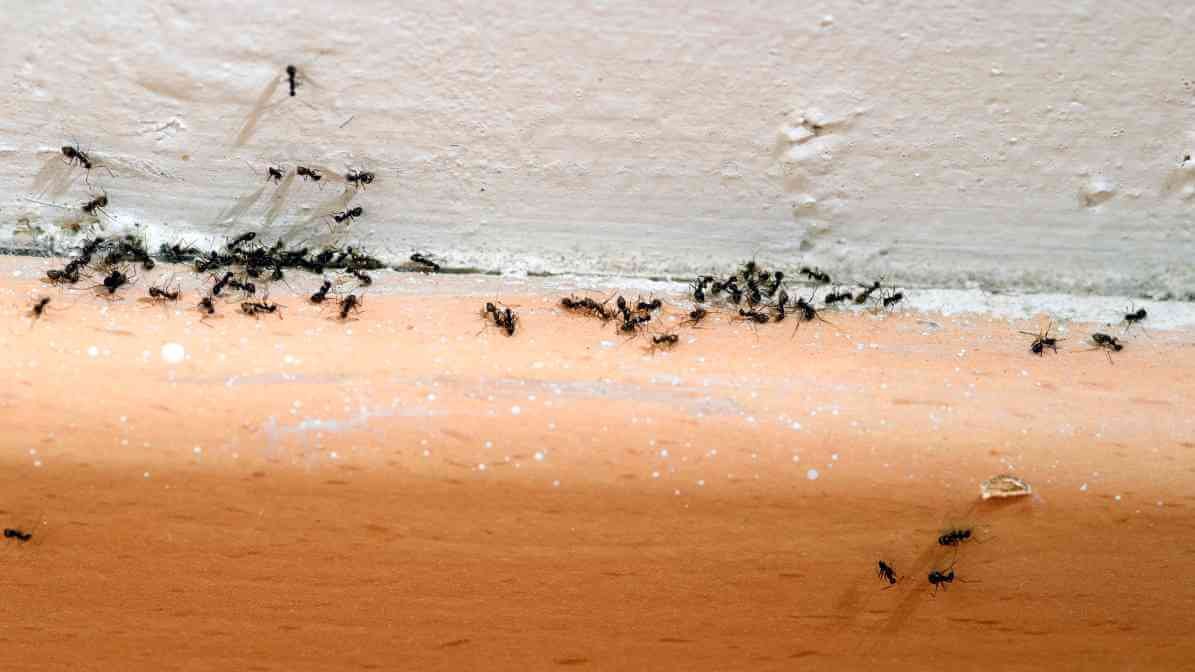
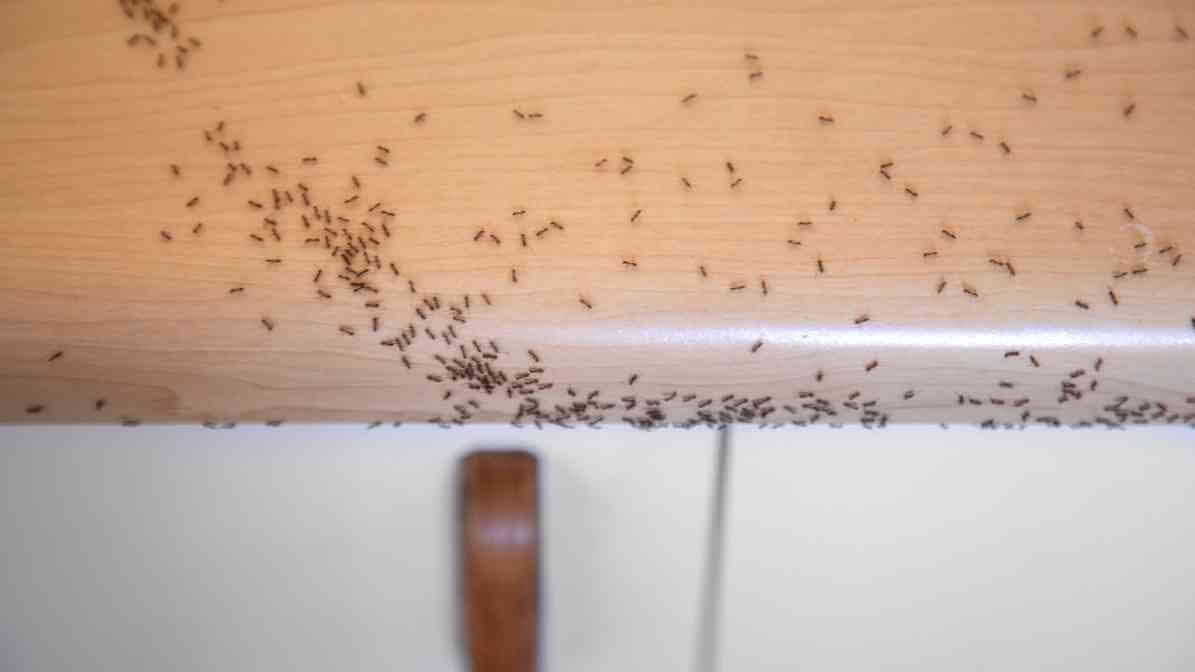
Although ants are beneficial to ecosystems, their presence indoors becomes a major nuisance. Here’s what attracts black ants in house areas:
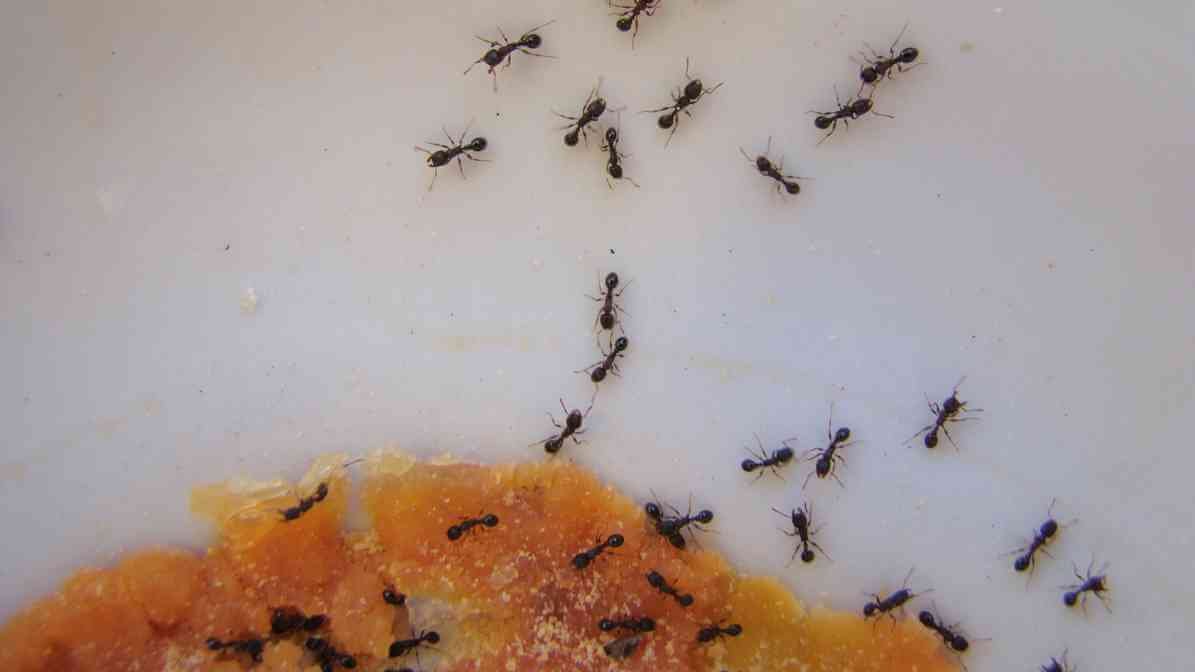
Availability of Food Sources
Ants are opportunistic feeders. A small spill can attract an entire group of worker ants within minutes. They seek food source like sugar, proteins, grease, pet food and leftover crumbs.
Continuous Water Sources
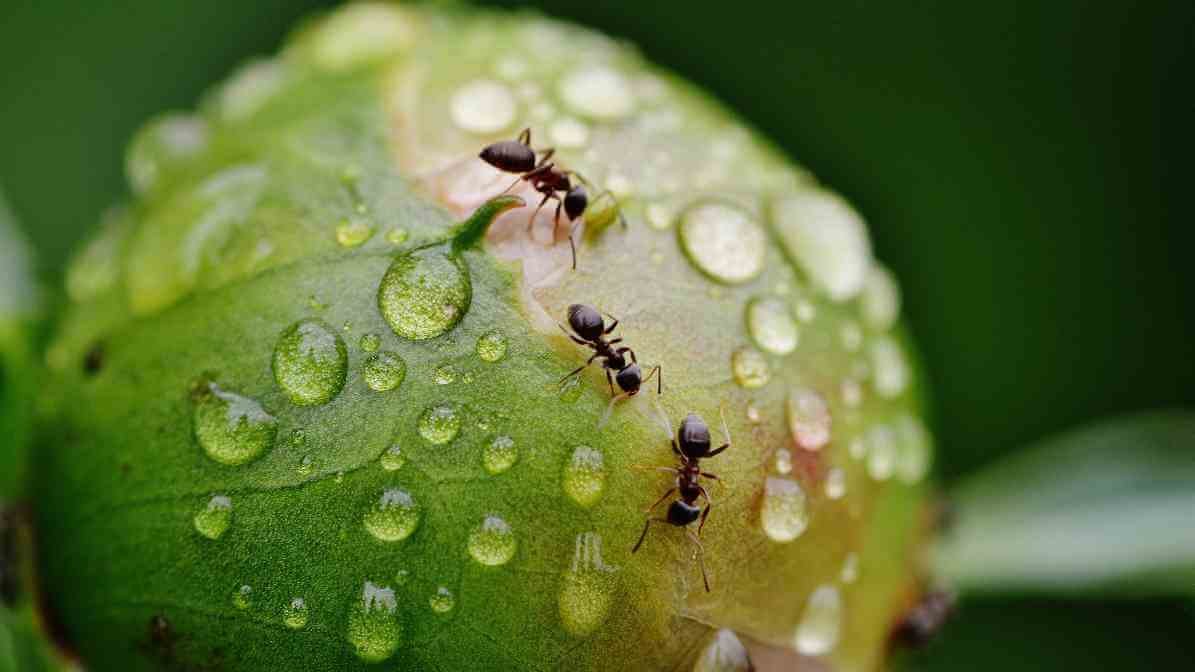
Ants need water and sufficient moisture to survive. Bathroom leaks, damp cabinets and wet countertops act as hydration points.
Warm, Safe Nesting Sites
Electrical sockets, wall cracks and voids provide shelter. Many homes unknowingly support colonies in these hidden spaces.
Rapid Colony Expansion
When unaddressed, colonies begin growing rapidly, spreading across multiple entry points and sometimes even splitting into several colonies.
Did You Know That A Black Garden Ant Colony Can Survive For More Than 10 Years?
The queen alone can lay thousands of eggs in her lifetime. This long life span allows colonies to grow rapidly. Making black garden ants one of the most persistent species to manage when they invade homes.
The Essential Role of Worker Ants in Colony Survival
Ant Behaviour: How Ants Communicate and Survive?
Ant behaviour revolves around sophisticated communication systems built on pheromones. These chemicals guide workers as they forage for food, alert the colony to danger or signal changes in nest structure.
Foraging Behaviour
Ants travel long distances in search of resources. Their ability to detect food from metres away explains why a single crumb can lead to a full infestation.
Nesting Behaviour
Depending on the species, ants choose different nesting tactics. Understanding these preferences allows pest specialists to pinpoint the colony origin. For example:
- Black garden ants prefer soil and pavement cracks
- Carpenter ant queens dig into wood to form galleries
- Other species establish satellite nests in kitchens and bathrooms
Caste Behaviour
Colonies collapse without a healthy reproductive system. Each caste plays a vital role:
- Workers maintain the colony
- Reproductive males and females perform nuptial flights
- Queens ensure long-term population growth
Signs You Have an Active Ant Infestation in Your Home
Signs You Have Black Ants in Your House
Spotting ants occasionally is normal, but persistent activity indicates a deeper problem. Infestations grow silently, so early detection protects your home and prevents structural issues. Here are signs of an infestation:
Long trails forming on walls, floors and countertops
Winged ants emerging during mating season
Ant activity near sinks, drains and trash bins
Soil particles or debris near floors (indicating a nest)
Ant entry from cracks around windows and tiles
How Trails, Nest Debris, and Sudden Ant Activity Reveal Problems
Risks of Ignoring Black Gardent Ant Infestations
When colonies multiply, treatment becomes more complicated, as ants establish backup nests. Although the black garden ant is not as destructive as carpenter ants, ignoring an infestation can lead to:
Contaminate food and surfaces
Spread of bacteria across kitchens
Damaged wall voids or insulation
Uncontrolled colony expansion
Attraction of other pests
Professional Pest Control Solutions for Long-Term Ant Removal
How Innovative Pest Management Handles Ant Problems?
Innovative Pest Management combines scientific understanding with professional experience to resolve ant infestations efficiently.
Detailed Inspection and Identification
We identify the type of ants present. Whether black garden ants, carpenter ants or other species to design the correct solution.
Targeted Treatment
Our methods focus on reaching the colony, not just the visible foragers. This includes targeted baiting, nest treatment and non-repellent strategies.
Eliminating Food and Water Sources
We help homeowners modify conditions that attract ants, such as eliminating leaks and securing food.
Preventive Barriers
We seal potential entry points, block access routes and implement long-term strategies for lasting protection.
Follow-Up Monitoring
Some colonies attempt to recover after initial treatment. Our scheduled follow-ups ensure they do not return.
Why Innovative Pest Management Provides Effective Colony Elimination?
Professional Expertise Matters for Effective Ant Control
Innovative Pest Management uses Integrated Pest management methods that target the heart of the infestation for long-lasting results. DIY methods may provide temporary relief but rarely eliminate the colony. Professional intervention is crucial because:
The ant life cycle allows fast regrowth
Queens can live for years
Workers create underground or hidden nests
Baiting requires species-specific knowledge
Misused sprays may cause colonies to split
Professional Ants Control Services, Understanding Ant Biology Helps Protect Your Home
Innovative Pest Blog Summary
The remarkable behaviour of ants from the structured cycle of an ant to the disciplined teamwork of foragers. It shows why these insects thrive in Malaysia. But when you spot black ants in house environments begin invading kitchens, bathrooms and food storage areas. Innovative Pest Management professional action becomes essential.
We provide science-backed, safe and effective solutions to control ants at every stage of their development. Protect your home today by understanding their behaviour and stopping infestations before they grow larger.
Why Clients Choose Us
✔ Years of Experience in Malaysia & Singapore
Our dual-market presence strengthens our capabilities and enhances our understanding of pest patterns across climates.
✔ Proven Results Across a Wide Range of Cases
From minor infestations to complex structural infestations, our case studies showcase our technical accuracy and problem-solving skills.
✔ Eco Friendly Commitment
We prioritise materials and treatments that reduce environmental impact while maintaining maximum effectiveness.
✔ Professional Guidance on Pest Identification
Our specialists guide customers on identifying early warning signs. Especially for termites, bed bugs and rodents, ensuring quick and accurate response.
✔ Clear Communication and Honest Reporting
Every treatment comes with documentation, service reports and preventive recommendations.
✔ Long-Term Protection Strategies
Our focus is not only to fix pest issues today, but to protect your space for the future.