Finding a cockroach in your car can be disturbing, embarrassing and even dangerous to your health. Many Malaysians assume cockroaches only live in kitchens or drains.
Rats, genus rattus are among most adaptable animals on Earth thriving almost everywhere in cities, fields, forests and homes. In Malaysia, it is common to see them, especially in places where food and shelter are available. While they might seem harmless, they can cause serious problems, including spreading diseases like bubonic plague.
Bed bugs are one of the most persistent household pests and for good reason. These tiny, elusive insects feed on humans, hide expertly in cracks and crevices.
Asian giant hornet (vespa mandarinia) or yellow legged hornet are predator to honeybees and various pollinators. From South East Asia these species travel their way to be presently active in parts of Central and Southern Europe.
Every summer, the unwelcome buzz of mosquitoes becomes a nuisance. Turning outdoor gatherings into battlegrounds of bug bites and irritation. While chemical bug repellents containing high concentrations of DEET are often deem effective.
Booklice or kayapaya in Malay, are tiny, soft-bodied insects that commonly infest environments rich in books and papers. Despite their small size about booklice size of 1 to 2 mm, they can cause significant damage over time. They thrive in humid environments by feeding on molds and fungi that grow on organic materials.
Drain flies, also called moth flies or filter flies are small, fuzzy insects commonly in kitchens, bathrooms and sewage systems. These pests breed rapidly and thrive in environments rich in organic material.
Termites are among the most notorious pests in Malaysia, causing widespread damage to wooden structures, furniture and even foundations. Understanding their life cycle is essential for effective pest management and prevention. We dive into the stages from egg to mature colony.
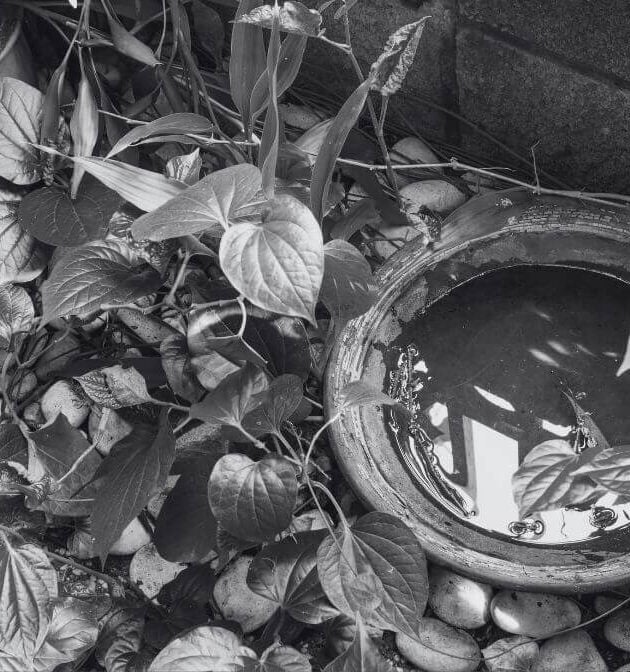
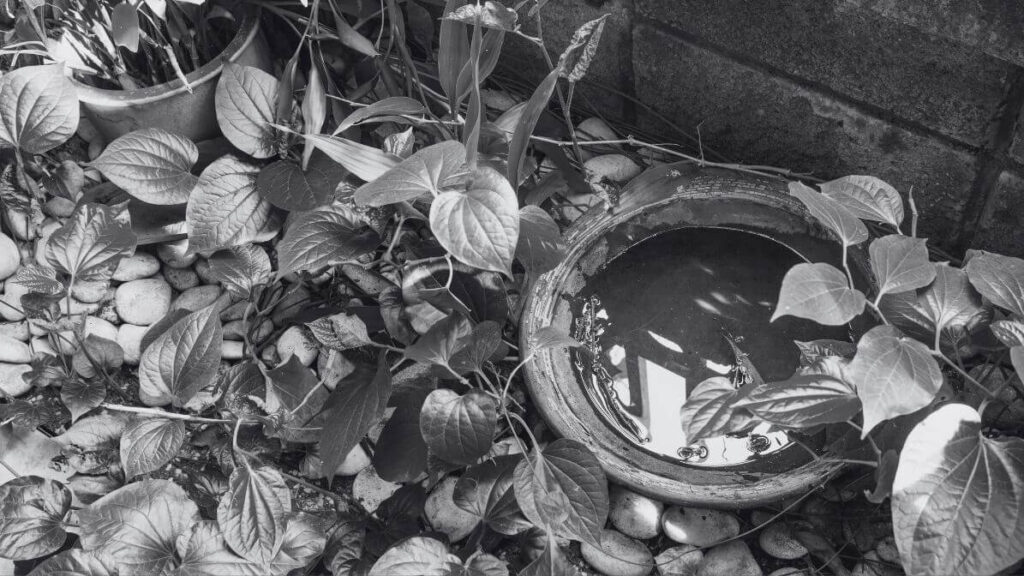
Ketahui tempat pembiakan nyamuk Aedes yang sering tersembunyi di sekitar rumah dan premis. Pelajari cara mengenal pasti jentik-jentik, mencegah pembiakan nyamuk Aedes dan mengurangkan risiko demam denggi dengan langkah pencegahan yang berkesan.
Psocids (order of psocoptera), or booklice, prefer to hide in enclose areas and other damp spots. Environment that are relatively humid are perfect location for these tiny bugs, psocid to infest and thrive.